


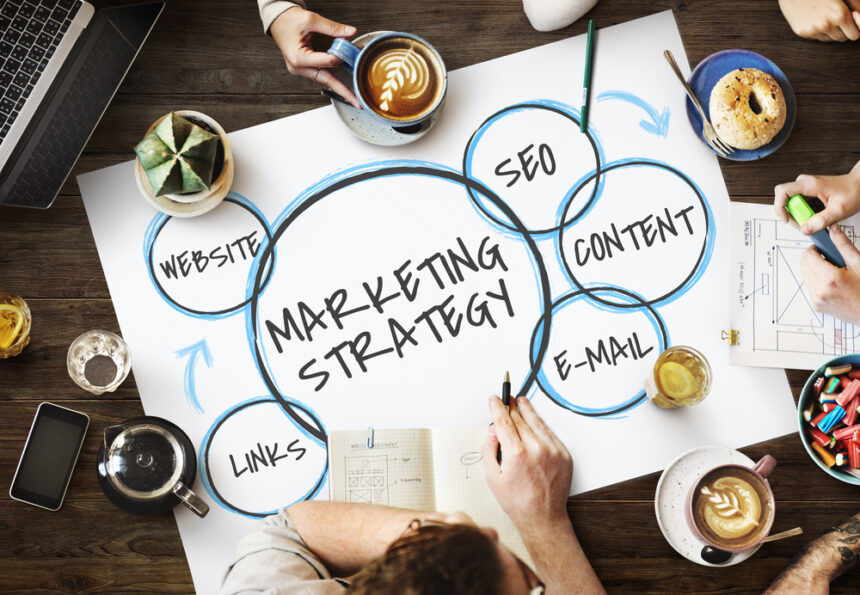
Marketing is one of the biggest challenges for startups and small businesses. Many founders build great products but fail to get customers simply because they don’t market them correctly.
In 2026, startup marketing is no longer about spending huge budgets. It’s about smart positioning, digital presence, consistency, and understanding your audience.
This guide explains the most effective startup marketing strategies for small businesses, focusing on methods that actually work and deliver long-term growth.
Why Marketing Is Critical for Startup Success

No matter how good your product is, people won’t buy it if they don’t know about it.
Marketing helps startups:
• Build brand awareness
• Generate leads
• Increase trust
• Drive consistent revenue
• Compete with larger brands
The biggest mistake small businesses make is waiting too long to start marketing.
1. Define Your Target Audience Clearly
Before marketing anything, you must understand who your customer is.
Ask yourself:
• Who will use my product or service?
• What problem are they facing?
• Where do they spend time online?
• What motivates them to buy?
A clearly defined audience allows you to:
• Create better content
• Run effective ads
• Improve conversions
• Reduce marketing costs
Startups that try to target “everyone” usually fail.
2. Build a Strong Brand Identity
Your brand is not just your logo. It’s how people perceive your business.
Key elements of branding:
• Clear brand message
• Simple value proposition
• Consistent design
• Professional website
• Trustworthy tone
A strong brand builds credibility, especially for new startups with no reputation.
3. Content Marketing: The Backbone of Startup Growth
Content marketing is one of the most powerful and affordable strategies for startups.
Types of content that work best:
• Blog posts
• Case studies
• Guides and tutorials
• Industry insights
• Thought leadership articles
High-quality content helps you:
• Rank on Google
• Attract organic traffic
• Build authority
• Educate customers
For example, a startup blog like StartupShorts.com can drive thousands of visitors through SEO alone.
4. Search Engine Optimization (SEO)
SEO is a long-term growth strategy but offers the highest ROI.
Focus on:
• Keyword research
• On-page optimization
• High-quality content
• Internal linking
• Page speed
• Mobile optimization
Target long-tail keywords such as:
• startup marketing strategies for small businesses
• digital marketing for startups
• marketing tips for new businesses
SEO helps you get traffic without paying for ads.
5. Social Media Marketing for Startups
Social media is essential for brand visibility and engagement.
Best platforms for startups:
• LinkedIn – B2B and founders
• Twitter (X) – Startup community
• Instagram – Brand building
• YouTube – Educational content
Instead of posting randomly, focus on:
• Consistency
• Value-driven content
• Engagement with followers
• Sharing real experiences
Small accounts grow faster when content is authentic and useful.
6. Email Marketing Still Works
Email marketing is one of the highest ROI marketing channels.
Use email to:
• Nurture leads
• Share updates
• Promote content
• Build trust
Even a small email list can generate significant conversions if used properly.
Tip: Offer a free guide or checklist to collect emails.
7. Influencer and Community Marketing
You don’t need celebrity influencers. Micro-influencers work better for startups.
Look for:
• Niche creators
• Industry experts
• Startup communities
• LinkedIn creators
Collaborations, guest posts, and shoutouts can bring highly targeted traffic.
8. Paid Advertising (When to Use It)
Paid ads work best after you validate your product.
Recommended platforms:
• Google Ads for high-intent users
• Meta Ads for brand awareness
• LinkedIn Ads for B2B startups
Start with small budgets and test:
• Ad copy
• Target audience
• Landing pages
Never scale ads without tracking results.
9. Build Trust with Social Proof
People trust people more than ads.
Use:
• Customer testimonials
• Case studies
• Reviews
• Media mentions
Even a few positive reviews can significantly improve conversions.
10. Track, Analyze, and Improve
Marketing without tracking is guessing.
Use tools like:
• Google Analytics
• Google Search Console
• Hotjar
• Ahrefs or SEMrush
Track:
• Traffic sources
• Conversion rates
• Bounce rates
• User behavior
Data helps you improve what works and remove what doesn’t.
Common Marketing Mistakes Startups Should Avoid
• Trying too many channels at once
• Ignoring SEO
• Inconsistent branding
• Not understanding customers
• Spending money without strategy
• Copying competitors blindly
Successful marketing is focused and data-driven.
Final Thoughts
Startup marketing in 2026 is all about clarity, consistency, and creativity. You don’t need a massive budget to succeed — you need the right strategy.
Focus on building trust, solving real problems, and showing up consistently. Over time, your brand will grow organically and sustainably.
If you apply even half of the strategies mentioned in this guide, you’ll be ahead of most startups.
Want More Startup Growth Guides?
Explore more expert-written startup articles on StartupShorts.com and stay updated with the latest business trends, funding tips, and growth strategies.