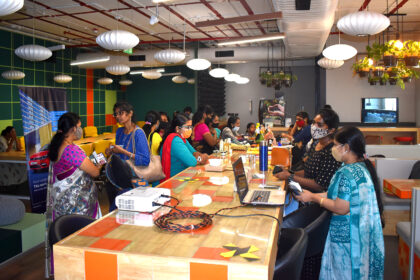



Hyderabad has become one of India’s most exciting cities for entrepreneurs and business owners. The city offers a unique mix of traditional culture and modern technology, making it perfect for starting different types of businesses. I have spent considerable time researching and analyzing the business landscape here, and I want to share the most practical and profitable business ideas that actually work in Hyderabad.
The City of Pearls, as many people call it, is home to major IT companies, pharmaceutical industries, and a growing population of young professionals. This creates amazing opportunities for anyone looking to start their own venture. Whether you have a small budget or are planning something bigger, this guide will help you understand what works best in this vibrant city.
Why Hyderabad is Perfect for Starting Your Business
Before we jump into specific business ideas, let me tell you why Hyderabad stands out as a business destination. The city has excellent infrastructure, good connectivity through metro and roads, and a supportive startup ecosystem. The Telangana government also provides various schemes and benefits for new entrepreneurs.
The cost of living here is lower compared to cities like Mumbai or Delhi, but the earning potential remains quite high. You will find skilled workers easily, and the local market is always hungry for new products and services. The city attracts people from all over India, creating a diverse customer base with different needs and preferences.
Top Business Ideas That Actually Work in Hyderabad
Cloud Kitchen Specializing in Hyderabadi Cuisine

Starting a cloud kitchen in Hyderabad makes excellent business sense right now. The demand for food delivery has exploded, and people are always looking for authentic Hyderabadi biryani, haleem, and other local delicacies. Unlike traditional restaurants, you do not need a fancy location or expensive interiors.
I have seen many cloud kitchens succeed by focusing on quality food and quick delivery. You can start from a small kitchen space in areas like Madhapur, Gachibowli, or even residential areas where commercial rent is lower. The key is maintaining consistent taste and building a strong presence on food delivery apps like Swiggy and Zomato.
Investment Required: You will need approximately 3 to 5 lakh rupees to start. This includes kitchen equipment, initial inventory, licensing, and marketing expenses. You can start even smaller if you use your home kitchen initially.
Expected ROI: Most successful cloud kitchens break even within 6 to 8 months. After that, you can expect monthly profits between 40,000 to 1 lakh rupees, depending on your volume and pricing strategy.
Pros:
- Low overhead costs compared to traditional restaurants
- Can operate from residential areas with proper licensing
- Easy to scale by adding more cuisines or kitchen locations
- High demand from working professionals who order food regularly
- Multiple revenue streams through different delivery platforms
Cons:
- High competition from established players
- Dependency on food delivery platforms and their commissions
- Need to maintain consistent quality without direct customer interaction
- Food wastage can affect profits if demand is not predicted correctly
- Delivery delays can damage your reputation even if food quality is good
Getting Started: First, get your FSSAI license and other necessary permits. Create a focused menu with 8 to 10 items that you can prepare consistently well. Partner with delivery platforms and invest in good quality packaging that keeps food fresh. Build your online presence through social media and encourage customer reviews.
IT Training and Certification Center

Hyderabad is called the IT hub of India for good reasons. The city houses offices of Microsoft, Google, Amazon, and hundreds of other tech companies. This creates a massive demand for quality IT training, especially for fresh graduates and working professionals looking to upgrade their skills.
Starting an IT training center here means you are serving a market that actually needs your service. I have noticed that centers focusing on specific technologies like cloud computing, data science, or cybersecurity do particularly well. The key is offering practical, hands-on training rather than just theoretical knowledge.
Investment Required: Setting up a proper training center needs around 8 to 12 lakh rupees. This covers renting a small office space, buying computers and software licenses, hiring trainers, and initial marketing. You can reduce costs by starting with online classes first.
Expected ROI: A well-run training center can recover its investment within 12 to 15 months. Monthly revenue can range from 2 to 5 lakh rupees once you establish your reputation and get consistent enrollments.
Pros:
- Continuous demand from IT professionals and job seekers
- High-profit margins on course fees
- Can expand to online training with minimal additional investment
- Corporate training contracts provide stable income
- Opportunity to tie up with colleges for placement-oriented training
Cons:
- Need qualified trainers who understand industry requirements
- Technology keeps changing so course content needs regular updates
- Initial months require heavy marketing to get students
- Competition from established brands and online platforms
- Student expectations are high regarding job placements
Getting Started: Choose your niche carefully based on current market demand. Get certified as an authorized training partner for companies like Microsoft, AWS, or Oracle if possible. Create a strong curriculum that includes real projects and case studies. Build relationships with local colleges and use social media to showcase student success stories.
Organic Products Store and Delivery Service

Health consciousness is growing rapidly in Hyderabad, especially among middle and upper-middle-class families. People want chemical-free vegetables, organic groceries, and natural products but struggle to find reliable sources. Starting an organic products business addresses this genuine need.
What I find interesting about this business is that you can start small and grow gradually. Begin with doorstep delivery of organic vegetables and groceries to residential communities. Once you build trust and a customer base, you can open a physical store or expand your product range.
Investment Required: Starting small with delivery service needs about 2 to 4 lakh rupees for initial inventory, packaging materials, delivery vehicle, and marketing. Opening a retail store requires an additional 3 to 5 lakh rupees.
Expected ROI: This business typically breaks even in 8 to 10 months. Monthly profits can be between 30,000 to 80,000 rupees depending on your customer base and product range. The margins on organic products are decent, usually between 25 to 40 percent.
Pros:
- Growing market with health-conscious customers
- Good profit margins on organic products
- Repeat customers provide stable monthly income
- Can build strong customer relationships through quality service
- Opportunity to source directly from farmers for better margins
Cons:
- Maintaining fresh inventory requires careful planning
- Some products have short shelf life leading to potential wastage
- Need reliable supply chain from organic farmers
- Customers are price-sensitive despite wanting organic products
- Building initial trust takes time and consistent quality
Getting Started: Connect with organic farmers in surrounding districts like Ranga Reddy and Medak. Get necessary licenses including FSSAI certification. Start by targeting gated communities and apartment complexes in areas like Jubilee Hills, Banjara Hills, Kondapur, and Manikonda. Use WhatsApp and Facebook groups to build your initial customer base. Offer subscription models for regular deliveries.
Coworking Space in Tech Corridors
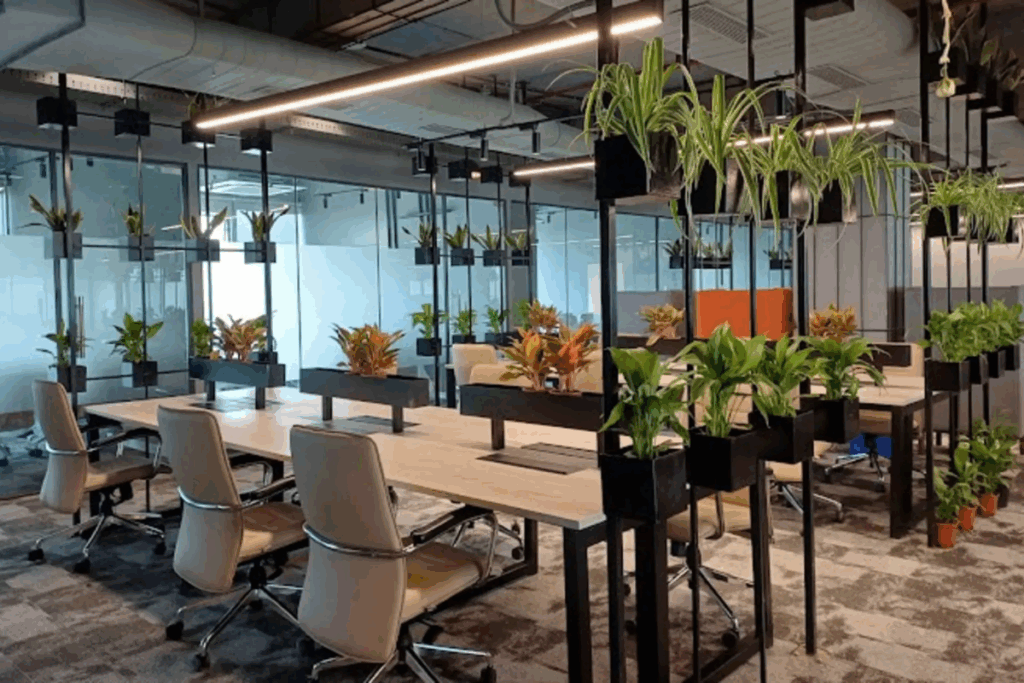
Hyderabad has thousands of freelancers, remote workers, and small startups looking for affordable office space. Traditional offices are expensive and require long-term commitments. This is where coworking spaces come in, offering flexible workspace solutions.
The areas around HITEC City, Madhapur, and Gachibowli are perfect for this business because they have high concentrations of tech professionals. Even areas like Ameerpet and Somajiguda are seeing demand from freelancers and small teams who need professional workspace.
Investment Required: Setting up a coworking space needs significant investment of around 15 to 25 lakh rupees. This includes property deposit, furniture, high-speed internet setup, meeting room equipment, pantry facilities, and initial marketing expenses.
Expected ROI: The investment usually recovers in 18 to 24 months. Monthly revenue depends on the number of seats and amenities offered. A 50-seat coworking space can generate 3 to 6 lakh rupees monthly once fully occupied.
Pros:
- Multiple revenue streams from hot desks, dedicated desks, and private cabins
- High demand in IT corridors ensures good occupancy rates
- Long-term members provide stable monthly income
- Additional income from meeting room rentals and event hosting
- Low operational costs once setup is complete
Cons:
- High initial investment in property and infrastructure
- Need to maintain occupancy rates above 60 percent for profitability
- Managing diverse members and their different needs can be challenging
- Competition from established coworking brands
- Property rental costs keep increasing in prime locations
Getting Started: Choose location carefully based on public transport connectivity and parking availability. Focus on creating a professional yet comfortable environment. Invest in reliable internet and backup power solutions. Price your offerings competitively while maintaining quality. Build community through regular networking events that encourage members to renew their memberships.
Biryani Catering for Corporate Events and Functions

Hyderabad and biryani go hand in hand. The city’s love for this dish creates excellent opportunities for specialized catering services. Corporate events, family functions, and celebrations always need good caterers, and biryani remains the most requested dish.
What makes this business attractive is the high-profit margin and repeat business potential. Once you establish your quality and reliability, customers keep coming back and also refer you to others. You do not need a restaurant or permanent setup, just excellent cooking skills and good service.
Investment Required: Starting a catering service needs around 3 to 6 lakh rupees. This covers commercial kitchen equipment, large cooking vessels, transportation, initial inventory, licenses, and marketing materials.
Expected ROI: Most catering businesses recover investment within 8 to 12 months. Monthly income varies based on orders but typically ranges from 50,000 to 1.5 lakh rupees during good months. Wedding season and corporate year-end parties are particularly profitable.
Pros:
- High-profit margins of 40 to 50 percent on orders
- No need for permanent restaurant space
- Can operate from home kitchen initially with proper licenses
- Word of mouth marketing works very effectively
- Flexible business that you can scale based on demand
Cons:
- Seasonal variations in orders affect monthly income
- Need reliable helpers and delivery staff for events
- One bad experience can damage reputation significantly
- Advance planning required for large orders
- Payment delays from corporate clients sometimes
Getting Started: Perfect your biryani recipe and get honest feedback from friends and family. Obtain FSSAI license and any local catering permits required. Start by catering for small events and corporate lunches. Create a portfolio with photos of your dishes and events. Use social media and local community groups for marketing. Offer tasting sessions to potential corporate clients.
Medical Equipment and Supplies Distribution

Hyderabad has hundreds of hospitals, clinics, diagnostic centers, and pharmacies. These establishments constantly need medical equipment, supplies, and consumables. Starting a medical distribution business connects manufacturers with healthcare facilities.
This business works well if you understand the healthcare sector and build strong relationships with both suppliers and buyers. The market is stable and growing because healthcare demand never decreases. You can specialize in specific categories like diagnostic equipment, surgical instruments, or medical consumables.
Investment Required: You need approximately 10 to 15 lakh rupees to start. This includes initial inventory, warehouse or storage space, transportation, licensing, and working capital for credit sales which are common in this industry.
Expected ROI: The business typically takes 12 to 18 months to establish and become profitable. Monthly profits range from 1 to 3 lakh rupees depending on your product range and client base. Profit margins are usually between 15 to 30 percent.
Pros:
- Stable business with consistent demand
- Long-term relationships with healthcare clients
- Growing market as healthcare infrastructure expands
- B2B business model means larger order values
- Multiple product categories to diversify risk
Cons:
- Requires significant working capital as payments are often delayed
- Need proper licenses and compliance knowledge
- Building trust with hospitals and clinics takes time
- Competition from established distributors
- Product knowledge and technical understanding necessary
Getting Started: Research the medical supply market and identify gaps or underserved segments. Get necessary drug licenses and GST registration. Connect with manufacturers and understand their distribution requirements. Start by targeting smaller clinics and diagnostic centers before approaching big hospitals. Maintain proper documentation and provide reliable after-sales service to build reputation.
Digital Marketing Agency for Local Businesses

Thousands of small and medium businesses in Hyderabad need online presence but do not know how to build it effectively. Restaurants, retail stores, educational institutes, and service providers all need digital marketing but cannot afford expensive agencies or full-time marketing teams.
Starting a digital marketing agency that specifically serves local businesses is a smart move. You help them with social media management, Google ads, SEO, and content creation. The monthly retainer model provides stable income, and satisfied clients usually continue for years.
Investment Required: This is a low-investment business needing only 1 to 3 lakh rupees. Costs include laptops, software subscriptions for tools like SEMrush or Canva, website development, and initial marketing to get first clients.
Expected ROI: You can start earning from month one if you already have skills. Most agencies break even within 3 to 6 months. Monthly income depends on the number of clients and services offered, ranging from 50,000 to 2 lakh rupees or more as you scale.
Pros:
- Low startup costs and minimal infrastructure needed
- Work from home or small office
- Scalable business that grows with experience
- Recurring monthly income from retainer clients
- High demand as businesses shift online
Cons:
- Need to constantly update skills as digital platforms change
- Client acquisition requires consistent effort and networking
- Showing ROI to clients can be challenging initially
- Competition from freelancers and established agencies
- Client retention depends heavily on delivering results
Getting Started: Build your own strong online presence first to demonstrate expertise. Get certified in Google Ads, Facebook Marketing, and other platforms. Start by offering services to businesses you already know or in your network. Create case studies showing results you have achieved. Price services competitively initially to build portfolio. Use LinkedIn and local business networking groups to find clients.
Premium Laundry and Dry Cleaning Service

The working professional population in Hyderabad has grown tremendously. These busy professionals need reliable laundry services but are not satisfied with existing options. Premium laundry services offering pickup and delivery, proper garment care, and reasonable prices have excellent potential.
What works in this business is focusing on quality and reliability. People are willing to pay slightly more if they trust you with their expensive clothes and if you deliver on time consistently. Areas with high concentrations of working professionals and young families are ideal for this business.
Investment Required: Setting up a proper laundry requires 8 to 12 lakh rupees. This includes renting space, buying washing machines and dryers, dry cleaning equipment, ironing setup, pickup vehicles, initial inventory of detergents, and marketing expenses.
Expected ROI: Most laundry businesses break even within 10 to 14 months. Monthly revenue from a well-run operation ranges from 1.5 to 4 lakh rupees. Profit margins are typically between 30 to 40 percent after covering all expenses.
Pros:
- Recurring business from regular customers provides stable income
- Multiple revenue streams from regular laundry, dry cleaning, and specialized services
- Can expand through franchising or multiple outlets
- Low customer acquisition cost through local marketing
- Technology integration through apps improves customer experience
Cons:
- Equipment maintenance and replacement costs are significant
- Handling expensive garments brings responsibility and risk
- Need skilled workers for delicate fabric handling
- Seasonal variations affect business volume
- Water and electricity costs impact margins
Getting Started: Choose location near residential areas with good accessibility. Invest in quality equipment that handles different fabric types. Get proper insurance for customer garments. Hire and train staff properly for garment handling and customer service. Offer subscription plans for regular customers. Use WhatsApp and local apps for easy order booking and tracking.
Tutoring Center for Competitive Exams

Hyderabad students prepare for various competitive exams like NEET, JEE, CA, IAS, banking exams, and state government jobs. While big coaching institutes exist, many students prefer smaller centers with personalized attention and affordable fees.
Starting a coaching center focusing on specific exams allows you to build expertise and reputation in that segment. The key is hiring good faculty who can actually help students crack these exams. Results matter most in this business, and good results bring automatic publicity through student referrals.
Investment Required: Opening a coaching center needs approximately 5 to 8 lakh rupees. This includes renting classroom space, furniture, teaching aids, study materials, licensing, and initial marketing expenses.
Expected ROI: A coaching center usually takes 10 to 15 months to establish and become profitable. Monthly income depends on student enrollment and fee structure. You can expect monthly revenue between 1.5 to 4 lakh rupees once the center is running at good capacity.
Pros:
- Consistent demand throughout the year for different exams
- High-profit margins on course fees
- Student success stories provide free marketing
- Can expand to online classes with minimal additional investment
- Long course durations ensure steady cash flow
Cons:
- Results determine reputation so pressure on faculty is high
- Need qualified and committed teachers
- Initial student acquisition requires significant marketing effort
- Seasonal enrollment patterns affect cash flow
- Competition from online platforms and established brands
Getting Started: Choose your niche exam carefully based on your expertise and local demand. Hire experienced faculty who have themselves cleared those exams or taught successfully. Create comprehensive study materials and test series. Start small with one batch and focus on delivering excellent results. Use those results to market your center. Offer demo classes and counseling sessions to attract students.
Interior Design and Execution Services

Hyderabad is seeing massive real estate development with thousands of new apartments being occupied every month. All these new homeowners need interior design services to convert empty spaces into beautiful homes. Commercial establishments also constantly need interior work.
The interior design business is profitable if you can manage both design and execution well. Many designers are creative but struggle with project management and vendor coordination. If you can deliver quality work within budget and timeline, clients will recommend you to others.
Investment Required: Starting an interior design firm needs about 4 to 7 lakh rupees. This covers office setup, design software, initial marketing, samples and catalogs, and working capital for initial projects.
Expected ROI: Interior design businesses typically take 12 to 18 months to establish. Monthly income varies greatly based on projects in hand. Established designers earn between 1 to 5 lakh rupees monthly. Profit margins are usually 20 to 35 percent on project value.
Pros:
- High earning potential from individual projects
- Creative and satisfying work
- Repeat clients and referrals reduce marketing costs
- Can start from home initially
- Growing market with increasing real estate development
Cons:
- Project-based income can be irregular
- Need strong vendor relationships for timely execution
- Client expectations management is challenging
- Payment delays are common in this industry
- Requires good taste and constant design trend awareness
Getting Started: Build a portfolio by doing projects for friends and family at minimal margins initially. Invest in good 3D design software and learn to create impressive visualizations. Network with real estate agents, architects, and property dealers. Create social media presence showcasing your work. Start with smaller residential projects before taking up commercial ones. Maintain transparency in pricing and project timelines.
Pharmaceutical Distribution Business

Hyderabad is a major pharmaceutical manufacturing hub with numerous companies producing medicines and healthcare products. The distribution network connecting these manufacturers to chemists and hospitals offers excellent business opportunities.
Getting into pharmaceutical distribution requires proper licensing and understanding of the medicine supply chain. You need to build relationships with both manufacturers and retailers. The business is stable because medicine demand exists regardless of economic conditions.
Investment Required: Starting a pharma distribution business needs approximately 12 to 20 lakh rupees. This includes warehouse space, initial inventory, vehicles for distribution, licensing, and significant working capital as this business involves credit sales.
Expected ROI: The business takes 15 to 20 months to stabilize and become profitable. Monthly profits typically range from 1.5 to 4 lakh rupees depending on turnover. Profit margins are relatively thin at 8 to 15 percent but volumes are high.
Pros:
- Stable business with consistent demand
- Recession-proof industry
- Long-term business relationships with chemists and hospitals
- Multiple product lines reduce dependency on single products
- Growing healthcare market ensures business growth
Cons:
- High working capital requirement due to credit sales
- Requires drug licenses and regulatory compliance
- Strict storage and temperature control requirements for some products
- Competition from established distributors is intense
- Payment collection can be challenging
Getting Started: Research the pharmaceutical distribution requirements in your area. Get necessary drug licenses and complete paperwork. Identify manufacturers looking for distributors in Hyderabad. Arrange proper storage facilities with required temperature control. Build relationships with chemists and hospitals in specific areas. Maintain excellent records and timely deliveries to build trust.
Home Healthcare Services

The elderly population in Hyderabad is growing, and many families need professional healthcare services at home. Post-surgery care, physiotherapy, nursing care, and elderly care are all in high demand. Starting a home healthcare agency connects trained healthcare professionals with families who need them.
This business works because it addresses a genuine problem. Hospitals are expensive for long-term care, and families cannot always provide professional medical assistance. Your agency provides trained nurses, physiotherapists, and caregivers who deliver quality care at home.
Investment Required: Launching a home healthcare agency needs around 5 to 8 lakh rupees. Costs include office setup, hiring and training staff, insurance, medical equipment for common procedures, licensing, and marketing.
Expected ROI: Home healthcare agencies typically break even within 12 to 15 months. Monthly revenue depends on the number of active cases. You can expect earnings between 80,000 to 2.5 lakh rupees monthly. Agency margins are usually 25 to 35 percent after paying staff salaries.
Pros:
- Growing demand from aging population
- Recurring revenue from long-term care cases
- Multiple service offerings increase revenue potential
- Lower overhead costs compared to hospitals or clinics
- Emotionally satisfying business helping families
Cons:
- Need qualified and trustworthy healthcare staff
- Staff retention can be challenging
- Medical emergencies bring liability issues
- Payment delays from insurance companies
- Need proper insurance and legal compliance
Getting Started: Hire qualified nurses, physiotherapists, and caregivers after thorough background checks. Get necessary licenses and medical insurance. Create service packages for different needs like post-surgery care, elderly care, and physiotherapy. Build relationships with hospitals for patient referrals after discharge. Market through doctors, hospitals, and residential communities. Maintain high service quality as reputation is everything in healthcare.
Event Management Company

Hyderabad hosts thousands of events annually including corporate conferences, weddings, birthday parties, product launches, and cultural programs. Event management is a thriving business if you have good organizational skills and vendor connections.
Starting an event management company does not require massive investment but needs creativity and execution capability. You earn by charging clients for planning and coordination while getting commissions from vendors for decorations, catering, venues, and entertainment.
Investment Required: You can start with 3 to 6 lakh rupees covering office setup, initial marketing, deposits for vendor partnerships, and working capital for advance vendor payments.
Expected ROI: Event management businesses can start earning from the first project itself. The investment typically recovers within 8 to 12 months. Monthly income varies significantly based on events handled. You can earn between 50,000 to 3 lakh rupees monthly depending on event sizes and number of projects.
Pros:
- Creative and exciting work with variety
- High-profit margins of 30 to 50 percent on event budgets
- Low fixed costs as business is project-based
- Network effects where satisfied clients bring more business
- Can scale by handling multiple events simultaneously
Cons:
- Income is irregular and depends on getting projects
- High-stress work with tight deadlines
- Client expectations can be unrealistic
- Advance planning required for large events
- Reputation can suffer from vendor failures beyond your control
Getting Started: Build a network of reliable vendors for catering, decoration, photography, venues, and entertainment. Create a portfolio by organizing small events for friends and family. Use social media extensively to showcase your work. Register your business and get proper contracts in place. Start with smaller corporate events and birthday parties before taking up big weddings. Always have backup plans for critical vendors.
Mobile Repair and Accessories Shop
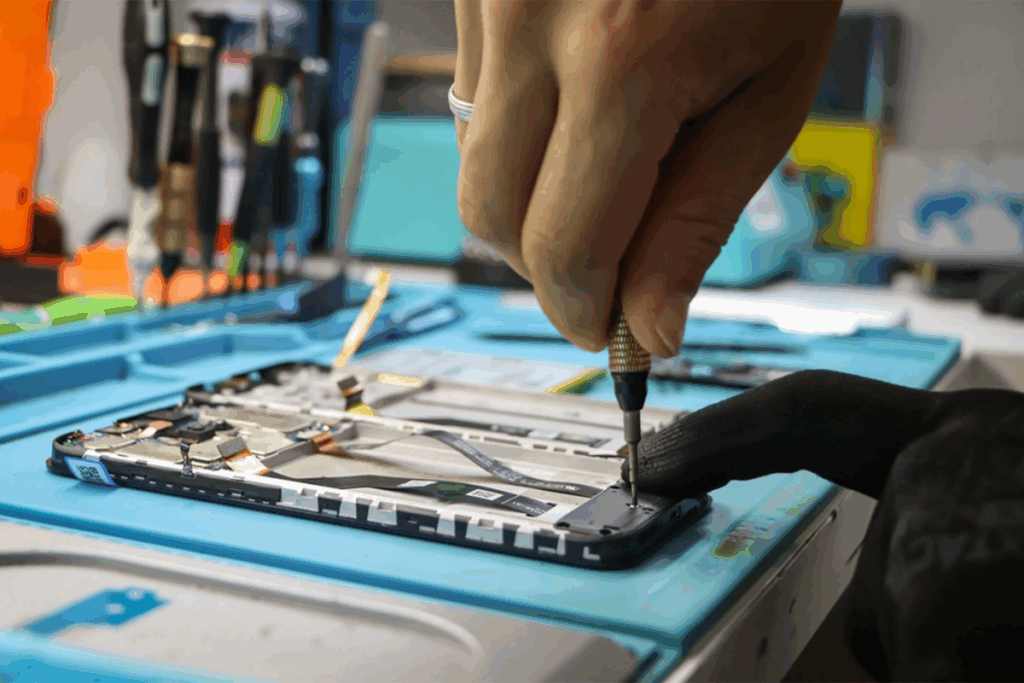
Smartphones have become essential, and Hyderabad has millions of mobile users who need repair services and accessories. Opening a mobile repair shop in the right location with skilled technicians can be very profitable.
The key to success in this business is location, quick service, and fair pricing. Areas near colleges, IT parks, and busy commercial zones work best. Offering warranty on repairs builds trust and brings repeat customers.
Investment Required: Starting a mobile repair shop needs approximately 3 to 5 lakh rupees. This includes shop rent deposit, repair tools and equipment, initial inventory of spare parts and accessories, furniture, and signage.
Expected ROI: Mobile repair shops typically break even within 6 to 10 months. Monthly profits range from 40,000 to 1.2 lakh rupees depending on location and customer volume. Profit margins on repairs are 50 to 70 percent while accessories have 30 to 40 percent margins.
Pros:
- High demand as smartphones are everywhere
- Good profit margins on both repairs and accessories
- Quick turnover as most repairs complete same day
- Low inventory costs for spare parts
- Repeat business from satisfied customers
Cons:
- Need skilled technicians who stay updated with new models
- Competition from manufacturer service centers and other shops
- Fast technology changes require constant learning
- Customers are price-sensitive and compare rates
- Managing warranty claims and customer disputes
Getting Started: Choose a location with high foot traffic near colleges or commercial areas. Hire trained technicians or learn repairing yourself through courses. Stock popular spare parts and accessories. Offer transparent pricing and quick service. Create social media presence and encourage customer reviews. Provide pickup and delivery for screen repairs and major issues.
Fitness and Yoga Studio

Health awareness is growing rapidly in Hyderabad, with more people joining gyms and yoga classes. Starting a boutique fitness or yoga studio in residential areas provides convenient fitness solutions to people who avoid crowded commercial gyms.
The success of fitness studios depends on qualified trainers, personalized attention, and building a community feel. Monthly membership fees provide recurring income, and the business scales as you add more members up to your capacity.
Investment Required: Opening a fitness studio needs about 6 to 10 lakh rupees. This covers renting appropriate space, flooring and mirrors, equipment purchase, trainer salaries, music system, washroom facilities, and initial marketing.
Expected ROI: Fitness studios usually break even within 10 to 14 months. Monthly revenue depends on membership numbers and fees charged. You can expect earnings between 80,000 to 2.5 lakh rupees monthly. Profit margins are typically 35 to 45 percent after all expenses.
Pros:
- Recurring monthly income from memberships
- Low inventory requirements
- Growing market with increasing health consciousness
- Multiple revenue streams from personal training and nutrition consulting
- Community building leads to member retention
Cons:
- Location is critical and good spaces are expensive
- Member acquisition requires continuous marketing
- Retaining members beyond few months is challenging
- Need qualified and engaging trainers
- High competition from established gym chains
Getting Started: Choose location near residential areas with parking facilities. Decide whether to focus on gym, yoga, or mixed fitness. Hire certified trainers with good communication skills. Offer trial sessions and flexible membership plans. Create engaging workout programs that show results. Use social media and local community groups for marketing. Focus on member experience and build a supportive community atmosphere.
Frequently Asked Questions
Which business needs the lowest investment in Hyderabad?
Digital marketing agency and organic products delivery require the lowest investment in Hyderabad. You can start a digital marketing agency with just 1 to 3 lakh rupees covering laptops and software tools. Similarly, organic products delivery needs only 2 to 4 lakh rupees for initial inventory and packaging. Both businesses can operate from home initially, keeping overhead costs minimal.
What are the most profitable businesses in Hyderabad currently?
IT training centers, pharmaceutical distribution, and event management companies show the highest profitability in Hyderabad right now. IT training centers benefit from the massive tech workforce, pharma distribution leverages Hyderabad’s position as a pharmaceutical hub, and event management captures the growing corporate and social event market. All three can generate monthly profits exceeding 2 lakh rupees once established.
How much time does it take to break even in these businesses?
Break-even time varies significantly based on the business type and execution. Service businesses like digital marketing or tutoring can break even within 3 to 6 months. Product businesses and those requiring significant infrastructure like coworking spaces or pharmaceutical distribution typically take 12 to 20 months. Cloud kitchens and mobile repair shops usually recover investment within 6 to 10 months.
Do I need special licenses to start these businesses in Hyderabad?
Yes, most businesses require specific licenses depending on the nature of the business. Food businesses need FSSAI license, pharmaceutical distribution requires drug licenses, coaching centers need educational institution registration, and healthcare services need medical practice licenses. Some businesses also need trade licenses from local municipal authorities, GST registration, and fire safety certificates. Always check with local authorities about specific requirements for your chosen business.
Which areas in Hyderabad are best for starting a business?
The best area depends on your business type. IT-related businesses thrive in Madhapur, Gachibowli, and HITEC City. Food businesses work well near residential areas like Kondapur, Manikonda, and Banjara Hills. Retail and service businesses succeed in commercial areas like Ameerpet, Kukatpally, and Secunderabad. Healthcare businesses can operate anywhere with good accessibility. Choose location based on where your target customers live or work.
Can I start these businesses part-time while keeping my job?
Some businesses allow part-time management initially while others demand full attention. Digital marketing, event management, and tutoring can start part-time. However, businesses like cloud kitchens, coworking spaces, fitness studios, and retail operations need full-time commitment from day one. If you want to start part-time, choose service-based businesses where you can control work hours and gradually scale up.
What are common mistakes to avoid when starting a business in Hyderabad?
The biggest mistakes include starting without proper market research, underestimating working capital needs, choosing wrong locations, hiring unreliable staff, and expecting quick profits. Many entrepreneurs also fail by copying business models without adapting to local needs, ignoring legal compliance, and not focusing enough on customer service. Start small, validate your concept, and scale gradually rather than making huge investments upfront.
How important is online presence for businesses in Hyderabad?
Online presence has become crucial for almost every business in Hyderabad. Even traditional businesses like restaurants and retail stores get significant customers through online searches and social media. Creating a Google My Business listing, maintaining active social media profiles, and encouraging customer reviews significantly impact business growth. In tech-savvy cities like Hyderabad, customers research online before making purchase decisions.
Should I take a loan or use savings to start my business?
This depends on your financial situation and risk appetite. Using savings is safer as you avoid debt burden and interest payments. However, this might limit your business scale and personal financial security. Small business loans with reasonable interest rates can help you start bigger and preserve personal savings for emergencies. Many entrepreneurs use a mix where they invest savings for core setup and take loans for working capital.
What should I consider before choosing between multiple business ideas?
Consider your skills and experience first because businesses where you have domain knowledge succeed faster. Evaluate the investment required against your available capital. Research market demand and competition in your chosen area. Think about time commitment and whether you can manage the business yourself or need partners. Also consider your passion because running a business needs sustained effort over years. Choose something that aligns with your interests, skills, and financial capacity.
Final Thoughts on Starting Your Business in Hyderabad
Hyderabad offers incredible opportunities for entrepreneurs across various sectors. The city’s growth shows no signs of slowing down, and new businesses continue to emerge successfully every month. What matters most is not just choosing the right business idea but executing it well with dedication and smart planning.
I have shared these business ideas based on actual market analysis and understanding of what works in Hyderabad’s unique ecosystem. Each idea has real potential, but success ultimately depends on your commitment, adaptability, and willingness to learn from mistakes. Start with thorough research, create a solid business plan, and take calculated risks.
Remember that every successful business owner in Hyderabad started exactly where you are now. They faced challenges, made mistakes, and kept improving. The difference between success and failure often comes down to persistence and customer focus. Whatever business you choose, prioritize delivering value to your customers and maintain high service standards.
Take your time to evaluate these opportunities against your strengths and resources. Talk to people already running similar businesses, visit potential locations, and understand the ground realities before investing. Hyderabad is waiting for your entrepreneurial journey to begin. The question is not whether you can succeed here, but when you will take that first step toward building your own successful business.