

Starting a business in 2026 will be very different from previous years. Technology, AI, remote work, creator economy, sustainability, and automation are reshaping how companies are built and scaled. Entrepreneurs who understand these shifts early will have the biggest advantage.
In this guide, we’ll explore the best startup business ideas for 2026, focusing on ideas that are practical, scalable, and aligned with future trends. Whether you’re a first-time founder or an experienced entrepreneur, these ideas are chosen based on real market demand and growth potential.
Why 2026 Is a Great Year to Start a Business
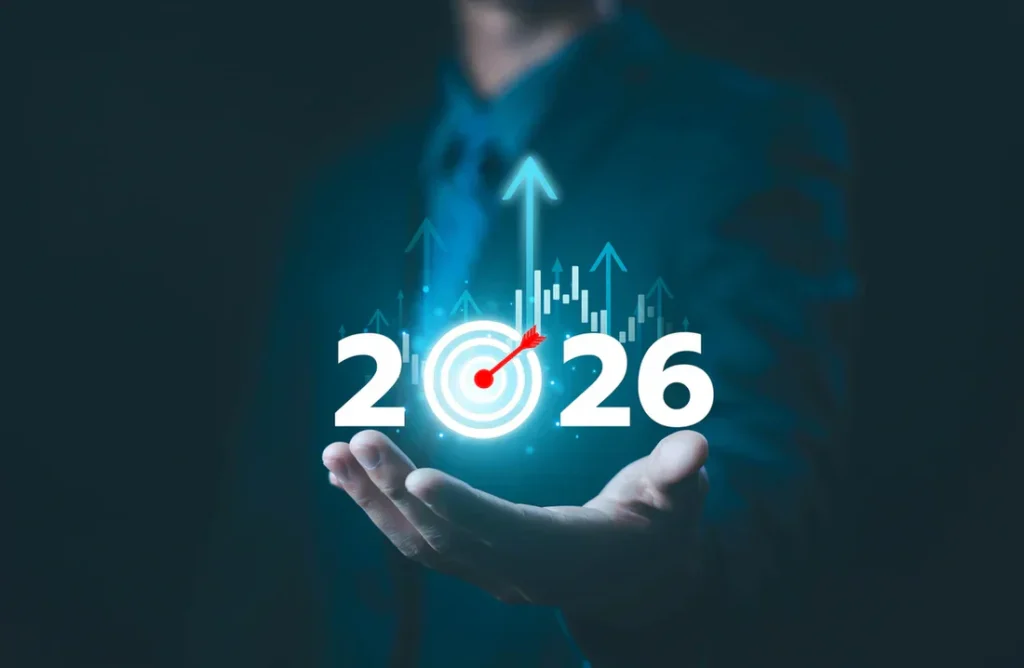
The startup ecosystem is entering a new phase. Several factors make 2026 an ideal time to launch:
• Increased adoption of AI and automation
• Lower startup costs due to no-code tools
• Global remote workforce
• Rise of solopreneurs and digital businesses
• Growing demand for niche solutions
Consumers are now looking for faster, smarter, and more personalized services, which creates opportunities for new startups across industries.
1. AI-Powered Content & Marketing Services
AI tools are becoming mainstream, but most businesses still don’t know how to use them effectively. This gap creates an opportunity for AI-powered service startups.
Business Idea:
Start a service that helps businesses generate blogs, social media posts, ad copies, email campaigns, and SEO content using AI tools — with human editing for quality.
Why it works in 2026:
• Businesses want content at scale
• AI adoption is increasing
• Small companies don’t want to hire full marketing teams
Monetization:
• Monthly subscriptions
• Per-project pricing
• White-label services for agencies
This type of startup works well with a lean team and low initial investment.
2. Micro SaaS for Niche Problems
Micro SaaS is one of the most profitable startup models in 2026. Instead of building large platforms, founders focus on solving one specific problem very well.
Examples:
• AI-powered resume analyzer
• Invoice tracking for freelancers
• Social media caption generator
• Customer feedback management tool
Why this idea is powerful:
• Low development cost
• Recurring revenue
• Easy to scale globally
• High valuation potential
If you can solve one pain point better than competitors, you can build a profitable SaaS with just a few hundred users.
3. Creator Economy Support Platforms
Creators are becoming businesses themselves. YouTube creators, bloggers, podcasters, and influencers need tools to manage and grow their audience.
Startup ideas in this space:
• Creator analytics dashboard
• Sponsorship management tool
• Digital product hosting
• Audience engagement platforms
Growth factor:
The creator economy is expected to cross billions in value by 2026, and creators prefer simple tools over complex enterprise software.
4. Sustainable and Eco-Friendly Business Ideas
Sustainability is no longer optional. Consumers actively support brands that care about the environment.
Profitable eco startup ideas:
• Eco-friendly packaging solutions
• Sustainable fashion brands
• Zero-waste product marketplaces
• Green consulting services
Why this works:
• Government support and policies
• Rising consumer awareness
• Long-term brand trust
Eco-focused startups also attract investors faster compared to traditional businesses.
5. AI-Based Education and Learning Platforms
Online learning is evolving rapidly. In 2026, people want personalized learning, not generic courses.
Startup ideas:
• AI tutors for specific subjects
• Career guidance platforms
• Skill-based microlearning apps
• Exam preparation tools
Market advantage:
Education startups enjoy long-term users, repeat customers, and strong brand loyalty.
6. Health & Wellness Tech Startups
Health awareness is increasing worldwide, especially after global health crises. People now invest more in preventive healthcare.
Business opportunities:
• Mental wellness apps
• Fitness tracking platforms
• Diet and nutrition AI planners
• Remote health monitoring services
Why it’s profitable:
• High user retention
• Subscription-based revenue
• Strong demand in both urban and rural areas
7. Local Service Aggregator Platforms
Hyperlocal businesses are booming. People prefer finding trusted services nearby.
Examples:
• Home repair services
• Local cleaning services
• Tutors and trainers marketplace
• Home food delivery platforms
Key advantage:
You don’t need massive funding. You only need good operations and local marketing.
8. Digital Products & Knowledge Businesses
Selling digital products is one of the fastest ways to generate passive income.
Popular digital products in 2026:
• E-books
• Notion templates
• Business planners
• AI prompt packs
• Online toolkits
Why digital products win:
• No inventory
• High profit margins
• Easy to scale globally
This model works especially well for creators and educators.
9. Remote Work Solutions
Remote work is now permanent. Businesses need tools to manage distributed teams efficiently.
Startup ideas:
• Remote team productivity tools
• Time tracking software
• Virtual collaboration tools
• Remote HR management platforms
Companies will continue investing in tools that improve employee performance and reduce costs.
10. Niche Blogging & Media Platforms
Blogging is far from dead. In fact, niche websites are more profitable than ever.
High-potential blog niches:
• Startup education
• AI tools
• Finance & investing
• Health and fitness
• Career growth
With SEO, display ads, and affiliate marketing, niche blogs can generate stable monthly income.
StartupShorts itself is a great example of how niche-focused content can build authority and long-term traffic.
How to Choose the Right Startup Idea in 2026
Before starting, ask yourself:
• Does this solve a real problem?
• Can people pay for it?
• Can I scale it in 1–2 years?
• Is competition manageable?
• Can I market it effectively?
The best startup ideas sit at the intersection of market demand, personal interest, and scalability.
Common Mistakes to Avoid
• Building without market research
• Spending too much on development
• Ignoring SEO and organic traffic
• Copying competitors blindly
• Not validating the idea early
Successful founders test fast, fail cheap, and improve continuously.
Final Thoughts
2026 will be a golden year for entrepreneurs who focus on innovation, automation, and value creation. The opportunities are endless, but success depends on execution, consistency, and understanding your audience.
If you’re serious about building a startup, start small, validate your idea, and scale gradually. Many successful businesses today started with nothing more than a simple idea and strong execution.