


Odisha is quickly becoming one of the most exciting places to start a business in India. With an economy growing at over seven percent every year, the state offers many chances for people who want to become entrepreneurs. The government is putting lots of money into building better roads, railways, and power systems, which makes it easier to run a business here.
I have spent months researching and talking to business owners in Odisha to bring you this complete guide. This state is special because it has rich mineral resources, a long coastline perfect for fish farming, skilled craftspeople making beautiful handicrafts, and a growing technology sector in Bhubaneswar. Whether you have a small amount of money to invest or you are planning something bigger, Odisha has opportunities for everyone.
The state ranks fourth in India for attracting business investments and has some of the best policies to help new businesses grow. With a population of over four crore people and strong connections to markets in eastern India and Southeast Asia, starting a business in Odisha right now could be a smart decision.
Why Odisha is Perfect for Starting a Business
Before we look at specific business ideas, let me explain why Odisha stands out as a great place for entrepreneurs. The state government has made it very easy to start a business through their single window clearance system. This means you do not have to run around to different offices to get permissions.
Odisha has the lowest debt among all major states in India and maintains very good financial health. The government spends more money on building infrastructure than any other state when compared to the size of its economy. This includes building new roads, improving power supply, and creating industrial areas where businesses can set up easily.
The state has a strong focus on making things and producing goods. Industries like steel, aluminum, chemicals, and food processing are growing fast. Tourism brings in millions of visitors every year who come to see beautiful temples, beaches, and wildlife. All of this creates many business opportunities.
Another big advantage is that labor costs are lower in Odisha compared to cities like Mumbai or Bangalore, but you still get access to skilled workers. The state has good educational institutions and training centers that produce qualified people. Plus, Bhubaneswar has become an important technology hub with companies like Infosys, TCS, and Wipro already working here.
Silver Filigree Jewelry Business in Cuttack
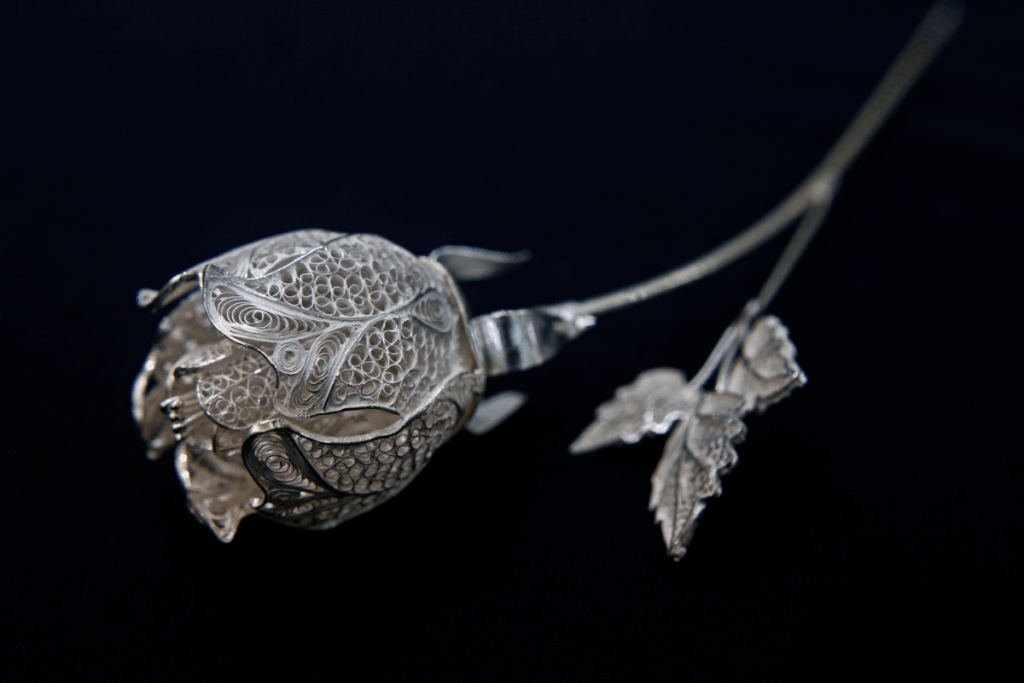
Cuttack is world famous for its silver filigree work, locally called Tarakasi. This ancient craft involves creating beautiful jewelry and decorative items using very thin silver wires. The demand for authentic handmade silver jewelry is growing both in India and around the world. Starting a silver filigree business lets you be part of a tradition that is more than five hundred years old while running a profitable modern business.
The business involves either making these items yourself if you learn the craft, or working with local artisans who create the pieces while you handle marketing and sales. You can sell silver filigree jewelry, decorative items like flower vases and boxes, gift items, and even modern designs that appeal to younger customers.
Investment Required: You will need between three lakhs to ten lakhs rupees to start this business properly. This includes money for buying raw silver, tools and equipment, setting up a small workshop or showroom, paying artisans, and marketing your products. If you plan to only trade and not manufacture, you can start with two to three lakhs rupees.
Return on Investment: This business can give you profits of thirty to forty percent on your sales. If you build a good brand and sell online along with offline stores, you can expect to recover your initial investment in about eighteen to twenty four months. The business becomes more profitable as you grow because regular customers keep coming back and also recommend your products to others.
Pros and Cons: The biggest advantage is that you are selling something unique that has strong cultural value and cannot be easily copied by machines. There is growing demand from tourists, wedding shoppers, and people who appreciate handmade items. You can start small and grow slowly without taking big risks. The export market for Indian handicrafts is also very good.
However, you need to find skilled artisans who can create quality work, and this can be challenging. The price of silver keeps changing which affects your costs. You face competition from cheaper machine made jewelry. Building a brand takes time and effort. You also need to be careful about maintaining quality because even one bad product can hurt your reputation.
Steps to Start: First, visit Cuttack and spend time understanding the craft by talking to artisans and existing business owners. Learn about different designs, quality levels, and pricing. Then decide if you want to manufacture or just trade. Get proper training in identifying good quality silver and finished products. Register your business and get necessary licenses including a GST registration.
Connect with skilled artisans either by hiring them or creating partnerships. Set up a workspace that has good lighting and security since you will be handling valuable silver. Create a collection of designs that includes both traditional and modern pieces. Set up an online store on platforms like Amazon, Flipkart, or your own website. Take high quality photos of your products. Start marketing through social media, especially Instagram and Facebook. Participate in craft fairs and exhibitions to build visibility.
Brackish Water Shrimp Farming
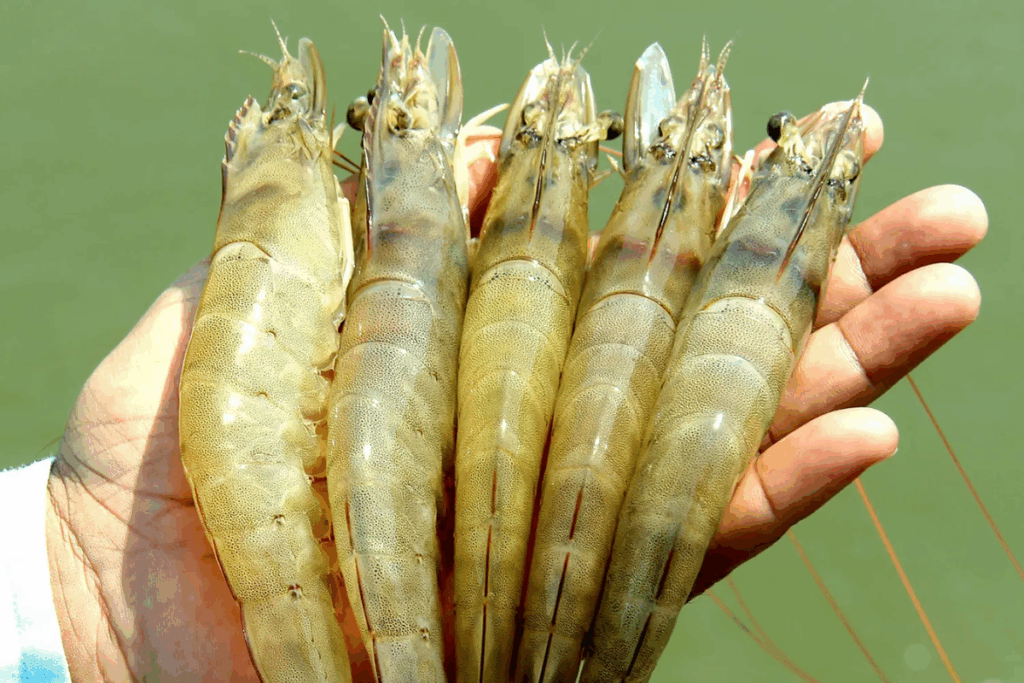
Odisha has a four hundred and fifty kilometer long coastline which makes it perfect for shrimp farming. The state ranks third in India for shrimp production and fourth for farming area. With the growing demand for shrimp both in India and for export to countries like USA, Europe, and Southeast Asia, this business offers excellent profit potential.
Shrimp farming in Odisha mainly focuses on two types – the white leg shrimp called Vannamei and the black tiger shrimp called Monodon. You grow these shrimp in ponds that have salty or slightly salty water, which is available near the coast. The shrimp grow to harvest size in about three to four months.
Investment Required: This is a bigger business that needs significant capital. For a small farm of about one to two acres, you need fifteen lakhs to thirty lakhs rupees. This covers the cost of leasing or buying land, preparing ponds properly with good drainage and water systems, buying aerators and other equipment, purchasing quality shrimp seeds from certified hatcheries, feed costs, electricity, and labor.
Return on Investment: Shrimp farming can be very profitable if done correctly. You can expect to earn three lakhs to eight lakhs rupees per acre per crop, depending on your stocking density and management. With two to three crops per year possible in Odisha’s climate, the returns are substantial. Most successful farmers recover their initial investment in two to three years. The profit margins are usually forty to sixty percent per crop.
Pros and Cons: The demand for shrimp is very high and stable. Export opportunities give you access to international prices which are much better than domestic rates. The technology for shrimp farming is now well developed with good support available. Government schemes provide some financial assistance and insurance coverage. You can scale up the business once you understand it well.
The challenges are also significant. Shrimp are sensitive creatures and diseases can wipe out an entire crop quickly. Cyclones and heavy rains, which happen in Odisha, can damage your ponds and kill your stock. You need to follow environmental regulations strictly and get proper licenses from the Coastal Aquaculture Authority. Water quality management requires constant attention and technical knowledge. The initial investment is high and you need working capital for each crop cycle.
Steps to Start: Start by learning about shrimp farming through training programs offered by government fisheries departments or organizations like MPEDA. Visit existing shrimp farms in coastal districts like Balasore, Kendrapara, or Ganjam to understand practical operations. Study the market by connecting with shrimp processing and export companies.
Select suitable land near the coast where you can get good quality brackish water. The soil should be able to hold water well. Get your land and water tested. Apply for registration with the Coastal Aquaculture Authority – this is mandatory and takes time, so start early. Prepare your ponds properly with proper depth, strong bunds, and good inlet and outlet systems.
Install aerators, generators for backup power, and water quality testing equipment. Buy high quality disease free seeds from CAA certified hatcheries only. Follow scientific feeding practices and maintain water quality by regular testing. Keep proper biosecurity measures to prevent disease entry. Connect with buyers before your harvest so you get good prices. Consider getting insurance for your crop.
Pattachitra Painting Workshop and Gallery

Pattachitra is a traditional painting style from Odisha that is recognized across the world. These beautiful paintings tell stories from Hindu mythology and are made on cloth or dried palm leaves. The village of Raghurajpur near Puri is the center of this art form. Starting a business that combines a working artist studio, training workshops, and a gallery creates multiple income streams while preserving this cultural heritage.
The business model involves either learning the art yourself or partnering with Pattachitra artists. You create a space where visitors can watch artists at work, buy paintings, and even take short classes to try making their own art. This works especially well in tourist areas like Puri or Bhubaneswar.
Investment Required: You need about five lakhs to fifteen lakhs rupees to set up a professional operation. This includes renting or buying a suitable property in a location with good visibility and tourist traffic, setting up the studio space with proper lighting and work areas, buying materials and paints, creating an initial inventory of paintings in various sizes and price points, interior design for the gallery, and marketing.
Return on Investment: A well run Pattachitra business can generate monthly revenues of one and a half lakhs to four lakhs rupees depending on location and tourist season. Profit margins are good at around forty to fifty percent since you are creating high value items. The workshop classes can charge one thousand to three thousand rupees per person for a few hours session. You can recover your investment in about two years if you focus on building a strong reputation.
Pros and Cons: This business has multiple ways to earn money including selling paintings, conducting workshops, taking custom orders, and even licensing designs. Tourist demand is steady especially during peak seasons. You are working with something culturally valuable which gives satisfaction beyond just profit. The business can start small and grow steadily. Online sales through marketplaces and social media are possible.
The main challenges include finding authentic skilled artists who are willing to work with you. Competition from cheap printed copies can affect sales of lower priced items. Tourist business is seasonal so revenues fluctuate through the year. Building credibility and getting customers to trust that your paintings are genuine takes time. Managing artists and ensuring consistent quality requires attention.
Steps to Start: Visit Raghurajpur or other Pattachitra villages to understand the art form deeply. Spend time with master artists and learn about different styles, quality levels, and pricing. If possible, learn basic techniques yourself so you can understand the craft better. Decide on your location – either near tourist spots or in a city with good foot traffic.
Create a beautiful space that feels authentic but is also modern enough to attract visitors. Display paintings at various price points from small affordable pieces to large expensive ones. Train your staff to explain the art form and its history to visitors. Set up workshop programs with proper materials and basic instruction modules. Get listed on travel websites and tourist guides. Partner with hotels and tour operators who can bring groups to your gallery. Create a strong social media presence showing your artists at work. Develop an online store with professional photos and good descriptions.
Sambalpuri Handloom Textile Business

Sambalpuri sarees and fabrics from western Odisha are famous across India for their unique designs and quality. The traditional ikat weaving technique creates beautiful patterns where the threads are tie dyed before weaving. This business involves either trading in these textiles or setting up your own production unit with local weavers.
The market for authentic handloom products is growing as more people want to move away from synthetic fabrics. Women especially value Sambalpuri sarees for special occasions and daily wear. With good marketing and quality control, this business can grow to supply retail stores across India and even export to countries with Indian diaspora.
Investment Required: For a trading business, you need three lakhs to eight lakhs rupees to start properly. This covers buying an initial stock of sarees and dress materials in various designs and price ranges, renting a shop in a good market area, display fixtures and furniture, and working capital for running the business. If you want to set up a production unit, you need twelve lakhs to thirty lakhs rupees for setting up looms, hiring weavers, buying raw materials, and creating stock.
Return on Investment: Trading in handloom textiles typically gives you margins of thirty to forty percent. With proper sales, you can expect monthly revenues of two lakhs to six lakhs rupees. Recovery of initial investment takes about two to three years. If you manufacture, margins are better at fifty to sixty percent but the business takes longer to stabilize.
Pros and Cons: The demand for Sambalpuri products is strong and growing. You are selling something with Geographical Indication tag protection which means authentic value. Government schemes provide support for handloom businesses through subsidies and marketing assistance. The product has premium pricing because of its cultural value. You can sell through multiple channels including shops, exhibitions, and online platforms.
Challenges include managing inventory since handloom production is slower than power loom. You need good knowledge of fabric quality and designs to avoid getting cheated by suppliers. Competition from fake Sambalpuri look alike products affects market prices. Fashion trends change and you need to keep updating designs while maintaining traditional appeal. Working capital needs are high because you must keep stock of many varieties.
Steps to Start: Visit Sambalpur, Bargarh, and nearby weaving clusters to understand the production process and connect with weavers. Learn to identify genuine Sambalpuri work and understand different quality grades. Decide whether you want to trade or manufacture. Build relationships with reliable weavers or cooperatives.
Set up a shop in a good commercial area with proper display space. Create an attractive showroom that highlights the cultural value of the products. Stock a good variety covering different price points and designs. Register on online marketplaces like Amazon, Flipkart, and specialized handloom platforms. Get proper certifications for authenticity if available. Create engaging content for social media showing the weaving process and tradition. Participate in handloom exhibitions and trade fairs. Offer customization services where customers can order specific color combinations.
Stone Carving and Sculpture Business

Odisha has an amazing tradition of stone sculpture that goes back thousands of years to the temple building era. The beautiful carvings you see in Konark and Puri temples show the skill of Odishan sculptors. Today, there is good demand for stone sculptures, both for religious purposes and as decorative art pieces. Starting a stone carving business connects you to this heritage while serving modern markets.
The business involves setting up a workshop where skilled stone carvers create products like temple replicas, statues of gods and goddesses, the famous Konark wheel, decorative sculptures, and custom pieces. You can sell to temples, hotels, restaurants, export houses, and individual customers.
Investment Required: You need eight lakhs to twenty lakhs rupees to set up a good workshop. This includes getting a suitable space with enough room for carving work and storage, buying tools and equipment for stone carving, purchasing different types of stone including black stone, white stone, and soapstone, hiring skilled sculptors, and creating an initial inventory of finished products.
Return on Investment: The profit margins in stone carving are good because you are creating high value items from relatively inexpensive raw materials. Depending on the product mix, you can expect forty to fifty percent gross margins. Monthly revenues can range from two lakhs to eight lakhs rupees once established. Investment recovery typically takes two and a half to three years.
Pros and Cons: Stone sculptures have very high perceived value especially for religious items. The products last forever so quality issues are minimal once sold. Export opportunities exist for decorative items to countries like USA, Europe, and Japan. Competition is limited because this requires skilled labor that takes years to develop. You can take custom orders at premium prices.
The downsides include the need for skilled sculptors who are not easy to find and train. Stone work is labor intensive and production speed is slow. Shipping costs are high because products are heavy. Storage needs are large. Some designs might have religious sentiments attached so you need to be culturally sensitive. The workshop needs good safety measures because stone dust and tools can be dangerous.
Steps to Start: Learn about stone carving by visiting places like Puri and Konark where traditional sculptors work. Understand different types of stone, their properties, and uses. Connect with experienced stone carvers and understand how they price their work. Decide on your product range based on market demand research.
Find a suitable location for your workshop with good ventilation, adequate space, and easy loading access for heavy stone. Source your raw stone from reliable quarries in Odisha. Hire skilled sculptors or tie up with independent artisans. Start with making popular items that sell steadily like Ganesh statues, Konark wheels, and temple replicas. Build a display area or showroom where customers can see finished work. Develop catalogs with photos and prices.
Register with export councils if planning to export. Connect with architects, interior designers, and builders who might need sculptures for projects. Create an online presence showing your work. Maintain very high quality standards because word of mouth is critical in this business.
Food Processing Unit Focusing on Local Products

Odisha grows many agricultural products including rice, turmeric, tamarind, cashew, and various fruits and vegetables. However, much of this produce is sold raw without adding value. Starting a food processing unit that makes ready to eat or ready to cook products from local ingredients is a great business opportunity.
You can make products like instant rice mixes, spice powders, pickles, chutneys, ready to fry snacks, turmeric powder, dried vegetables, fruit jams, or traditional Odia snacks that are packed hygienically for modern customers. The processed food market in India is growing at over ten percent every year as more people want convenient quality food.
Investment Required: A small food processing unit needs ten lakhs to thirty lakhs rupees to start depending on what you make. This covers renting factory space in an industrial area or food park, buying processing equipment like grinders, mixers, and packaging machines, getting FSSAI license and other certifications, buying raw materials, packaging materials, and initial marketing costs.
Return on Investment: Food processing offers good margins if you maintain quality and build a brand. Depending on your products, you can expect thirty to forty five percent profit margins. Monthly revenues can be anywhere from three lakhs to twelve lakhs rupees once distribution is established. Investment recovery usually takes three to four years because building a food brand takes time and marketing effort.
Pros and Cons: The market for packaged food is huge and growing rapidly. You are adding value to local agricultural produce which helps farmers too. There are government schemes and subsidies available for food processing businesses. You can start with one or two products and expand the range later. Both domestic and export opportunities exist. Retail chains and online platforms are always looking for good regional food brands.
The challenges include maintaining strict quality and hygiene standards which require discipline. FSSAI licensing and compliance is detailed and important. Competition from established brands is strong in cities. Building distribution networks takes time and effort. Raw material prices can fluctuate affecting your costs. Shelf life management is critical to avoid wastage. You need proper understanding of food safety and preservation.
Steps to Start: Research which Odisha food products have demand but are not readily available in packaged form. Study the competition and identify gaps. Get trained in food processing and safety through institutes like CFTRI or state government programs. Develop your recipes and test them thoroughly for taste, shelf life, and consistency.
Choose a location in a recognized industrial area or food park which makes licensing easier. Set up your unit with proper flooring, walls, and hygiene facilities as per FSSAI requirements. Buy quality equipment from reliable suppliers. Get your FSSAI license, GST registration, and any other required certifications. Design attractive packaging that highlights the Odisha origin and natural ingredients.
Start with a few products and perfect them before expanding. Focus first on local markets and stores near you. Get feedback and improve. Once you have good reviews and repeat customers, expand to other cities. Register with online grocery platforms. Participate in food festivals and exhibitions. Consider getting organic certification if you use organic ingredients as this adds premium value.
Tourism Homestay or Heritage Property
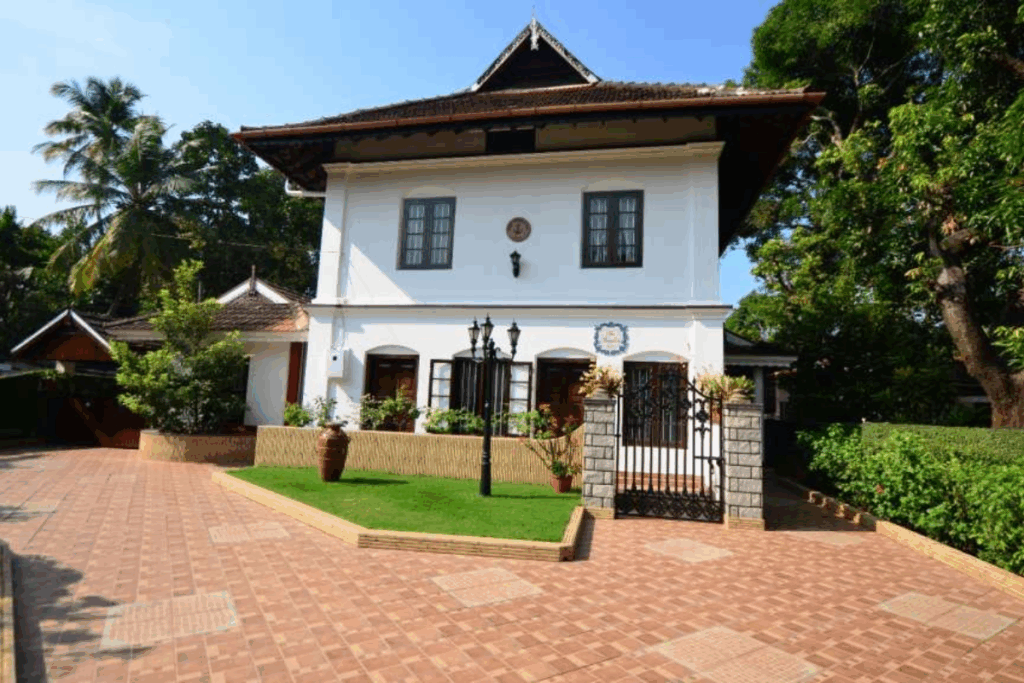
Odisha receives millions of tourists every year who come to visit places like Puri, Konark, Chilika Lake, and Bhubaneswar. However, many tourists want authentic local experiences rather than staying in big hotels. Starting a homestay or converting a heritage property into a guest house is an excellent business that also preserves culture.
The business involves preparing your property to host guests, providing comfortable rooms with modern amenities, serving traditional Odia food, and helping guests experience local culture. You can target both domestic tourists and international visitors who are increasingly interested in cultural tourism.
Investment Required: You need eight lakhs to twenty five lakhs rupees depending on the size and condition of your property. This includes renovating rooms with attached bathrooms and modern fixtures, buying comfortable furniture and furnishings, setting up kitchen equipment, installing solar water heaters and backup power, creating common areas for guests, getting necessary permissions from tourism department, and initial marketing costs.
Return on Investment: Homestays typically charge fifteen hundred to five thousand rupees per room per night depending on facilities and location. With an occupancy rate of fifty to sixty percent after the first year, a five room property can generate monthly revenues of one and a half lakhs to four lakhs rupees. After covering operating costs like staff, maintenance, and food, profit margins are around forty to fifty percent. Investment recovery takes three to four years.
Pros and Cons: This business gives you income while you continue living in your own property. The tourism industry in Odisha is growing steadily. Guests often become friends and return regularly bringing more business. You can run this with family members reducing staff costs. Government provides support through schemes and training. The business is satisfying as you showcase your culture to visitors.
Challenges include the seasonal nature of tourism which means income fluctuates. You need to be comfortable having strangers in your home. Maintaining cleanliness and service standards consistently is demanding. Online reviews are very important and one bad experience can hurt your business. You need basic English communication skills. Managing bookings and guest expectations requires time and attention.
Steps to Start: First check if your property is in a location that tourists visit or can easily reach tourist attractions. Evaluate the space available and decide how many rooms you can offer. Renovate thoughtfully to maintain traditional character while adding modern comforts. Each room should have comfortable bed, clean bathroom, proper lighting, and ventilation.
Get your homestay registered with Odisha Tourism department which gives you credibility. Complete any required safety certifications for fire and hygiene. Take professional quality photos of your property and rooms. List your homestay on platforms like Airbnb, Booking.com, and Indian homestay websites. Create a Facebook and Instagram page showing your property and local experiences.
Set competitive but fair pricing based on your facilities and location. Train family members on guest service basics. Plan interesting activities for guests like cooking classes, village tours, craft demonstrations, or bicycle trips. Ensure you have reliable WiFi as guests expect this. Keep your property spotlessly clean always. Respond promptly to booking inquiries. Build relationships with local tour operators who can refer guests to you.
IT Services or Software Development Company in Bhubaneswar

Bhubaneswar is becoming an important technology hub in eastern India with many IT companies already operating here. The cost of running an IT business in Bhubaneswar is much lower than Bangalore or Pune, while you still get access to talented engineers from institutes like KIIT, ITER, and NIT Rourkela. Starting an IT services or software development company lets you tap into this growing ecosystem.
You can offer services like custom software development, mobile app development, website design and development, digital marketing, IT consulting, or develop your own software products. The market includes both Indian clients and international companies looking for cost effective technology partners.
Investment Required: Starting an IT services company requires five lakhs to twenty lakhs rupees depending on scale. This includes renting office space in IT parks like Infocity or other commercial areas, buying computers and software licenses, hiring initial team members, registering the company, basic infrastructure like internet and furniture, and working capital for at least six months since IT projects have payment delays.
Return on Investment: IT services business has high profit potential with margins typically between forty to sixty percent once you stabilize operations. Monthly revenues can range from three lakhs to fifteen lakhs rupees depending on your team size and client base. Since most of your cost is salaries which you can control by team size, the business is quite scalable. Investment recovery takes about two to three years.
Pros and Cons: Demand for IT services is huge and continuously growing. You can start small with three to four people and grow steadily. Odisha government provides various incentives for IT companies. Clients are everywhere so you are not dependent on local market alone. Work can be done remotely so you can have clients globally. Technical talent is available at lower cost than metro cities. The business is scalable without much capital expenditure.
The challenges include intense competition from established IT companies and freelancers. Getting the first few clients is difficult and often depends on your network. Managing technical teams requires good understanding of both technology and people. Project delivery deadlines are strict and missing them damages reputation. Payment cycles are often long especially for bigger clients. Keeping team members motivated and reducing attrition is an ongoing challenge.
Steps to Start: First decide your service focus area based on your own skills and team strengths. It is better to specialize in specific technologies or industries rather than trying to do everything. Build a founding team of at least two to three people with complementary skills. Register your company properly as a private limited company.
Set up a professional looking office even if small because clients do visit sometimes. Invest in good computers and reliable internet. Create a professional website showcasing your services and any past work. Build profiles on platforms like Upwork and Freelancer to find initial clients. Network actively through LinkedIn and local business groups. Attend technology events and meetups in Bhubaneswar.
Initially, use your personal network to get projects even at lower rates to build portfolio. Deliver exceptionally on these early projects. Ask satisfied clients for testimonials and referrals. Focus on building long term relationships rather than one time projects. As you grow, hire carefully focusing on both technical skills and cultural fit. Invest in training your team on new technologies.
Agri Input Supply and Advisory Services

Odisha is primarily an agricultural state with most of its rural population depending on farming. However, farmers often lack access to quality seeds, fertilizers, and modern farming knowledge. Starting a business that supplies agricultural inputs along with technical advice to farmers is both profitable and socially valuable.
The business involves setting up a shop that sells seeds, fertilizers, pesticides, and farming equipment. More importantly, you provide advisory services helping farmers choose the right inputs and methods for their specific crops and conditions. You can also tie up with government schemes that provide subsidized inputs to farmers.
Investment Required: You need five lakhs to twelve lakhs rupees to start an agri input supply business properly. This includes buying or renting shop space in a rural market area or near farming clusters, purchasing initial stock of seeds, fertilizers, and other inputs, getting dealerships from major agricultural input companies, storing and display infrastructure, getting necessary licenses, and hiring knowledgeable staff.
Return on Investment: Agri input business typically offers margins of fifteen to twenty five percent on products sold. Government subsidized products have lower margins but faster turnover. With seasonal variations considered, monthly revenues can be one and a half lakhs to five lakhs rupees. The business becomes profitable from the first year itself if managed well. Investment recovery takes about two and a half to three years.
Pros and Cons: Agriculture inputs are essential products with consistent demand. Farmers become loyal customers once they trust you. Government schemes provide support and sometimes subsidies. The business does not require very high technical skills though farming knowledge helps greatly. You can expand into related services like soil testing or custom hiring of farm equipment. Rural markets have less competition than cities.
Challenges include dealing with payment delays as farmers often need credit and pay after harvest. Storage requirements are high especially for fertilizers which need proper conditions. Seasonal demand means working capital needs fluctuate. You might face pressure to sell on credit which increases your risk. Competition from cooperative societies and government outlets can be strong. Product knowledge is essential as giving wrong advice can harm farmer crops and your reputation.
Steps to Start: Learn about agriculture and major crops grown in your target area. Understand the cropping pattern and what inputs farmers need through the year. Get trained through programs offered by agriculture departments or input companies. Decide on a location that is easily accessible to farmers from several villages.
Apply for and get dealerships from major seed companies, fertilizer companies, and pesticide manufacturers. These companies usually provide training and marketing support. Get the necessary licenses including a fertilizer license from the agriculture department. Set up your shop with proper storage areas keeping in mind that some products need dry, cool conditions.
Keep adequate stock covering seeds of major crops, essential fertilizers, commonly used pesticides, and basic farming tools. Hire staff who know farming and can communicate well with farmers. Offer credit only to farmers you know well and in limited amounts. Provide genuine advice to farmers even if it means selling less. Build trust by ensuring product quality and not selling fake or expired items.
Connect with government agriculture officers who can refer farmers to you. Keep information about various government schemes and help farmers apply for subsidies. Consider adding services like selling small farm tools, irrigation equipment, or animal feed as complementary products.
Eco Tourism and Adventure Sports at Chilika Lake

Chilika Lake is the largest coastal lagoon in Asia and attracts lakhs of tourists every year. However, tourism infrastructure around the lake still has room for growth, especially for experiential tourism. Starting an eco tourism or adventure sports business around Chilika combines environmental conservation with profitable tourism.
The business can include activities like boat tours focusing on bird watching, kayaking and paddle boarding, camping experiences, photography tours, nature walks, water sports like jet skiing or wind surfing, fishing experiences, and organizing educational tours for schools. The key is to offer experiences that let tourists connect with nature while ensuring the lake environment is protected.
Investment Required: You need twelve lakhs to thirty lakhs rupees to start depending on what activities you offer. This includes buying or leasing boats and water sports equipment, getting safety gear and life jackets, setting up a base camp or office near the lake, buying camping equipment if offering overnight stays, hiring trained staff especially for water activities, getting necessary permissions from tourism and forest departments, insurance coverage, and marketing.
Return on Investment: Tourism activities at Chilika can be very profitable during peak seasons. You can charge five hundred to three thousand rupees per person for various activities. With good marketing and service, monthly revenues during season can be six lakhs to fifteen lakhs rupees. Off season will be much lower so you need to plan accordingly. Profit margins are around forty to fifty percent. Investment recovery takes about three to four years considering the seasonal nature.
Pros and Cons: Chilika is already famous so customers are available. The experience economy is growing and people are willing to pay for unique activities. You can offer multiple activities increasing revenue per customer. The business promotes environmental awareness which is satisfying. Partnerships with hotels and tour operators can bring regular business. Online marketing through Instagram and YouTube can show the beautiful location and attract tourists.
Challenges include the highly seasonal nature of business with most tourists coming from October to March. Weather and water conditions can affect operations. You need to get various permissions which can be complicated. Safety is critical especially for water activities and any accident can shut down your business. Initial investment is high because you need good quality equipment. Competition from other boat operators is increasing. Environmental regulations restrict some activities.
Steps to Start: Visit Chilika multiple times in different seasons to understand the location and its tourism potential. Identify specific spots that are best for different activities. Talk to existing boat operators and tour guides to learn from their experience. Get proper training in water sports and safety procedures. Hire staff who know the local area well and can work safely with tourists.
Get registered with Odisha Tourism and obtain necessary permissions for commercial activities on the lake. This is essential. Buy quality boats and equipment as breakdowns will hurt your business reputation. Never compromise on safety equipment. Create attractive packages for different tourist segments like families, couples, photographers, and adventure seekers.
Build partnerships with hotels, resorts, and travel agents in Bhubaneswar, Puri, and nearby areas. List your activities on tourism websites and travel platforms. Create engaging social media content showing the beauty of Chilika and happy tourists. Start a YouTube channel if possible. Ensure your guides are knowledgeable about the lake ecosystem and birds. Train them to be polite and professional with tourists.
Maintain your equipment well and follow strict safety procedures always. Get proper insurance coverage. Consider offering special programs during migratory bird season when Chilika sees thousands of birds from around the world.
Tribal Handicrafts and Dhokra Casting Business

Odisha has a rich tribal culture and the tribal communities create beautiful handicrafts including the famous Dhokra metal casting, tribal jewelry, bamboo crafts, and more. Starting a business that works with tribal artisans to bring their products to urban and international markets helps preserve indigenous culture while providing fair income to marginalized communities.
The business model involves partnering with tribal artisans in districts like Mayurbhanj, Keonjhar, and Rayagada. You provide them with quality raw materials, design inputs if needed, and guarantee to buy their finished products at fair prices. You then market and sell these through retail stores, exhibitions, and online platforms.
Investment Required: You need four lakhs to twelve lakhs rupees to start this business properly. This includes working capital to pay artisans for their work, buying initial inventory of various tribal crafts, setting up a showroom or shop in Bhubaneswar or tourist areas, storage space, marketing costs especially for online sales, and travel costs to visit tribal areas regularly.
Return on Investment: Tribal handicrafts have excellent margins because production costs are low while market value is high due to their authentic and ethnic appeal. You can typically work on margins of fifty to seventy percent. Monthly revenues can be one lakh to four lakhs rupees depending on your marketing reach. Investment recovery takes about two years with focused effort.
Pros and Cons: These products are unique and cannot be replicated by machines. Growing interest in ethnic and sustainable products creates good market demand. Export market potential is strong. Government schemes provide support for promoting tribal handicrafts. You are helping preserve indigenous culture and providing employment to disadvantaged communities. Products have high perceived value especially among urban and international customers.
Challenges include the difficulty in maintaining consistent quality and timely supply when working with artisans in remote areas. Production capacity is limited by the number of skilled artisans available. Communication and logistics to tribal areas can be difficult. Authenticity verification is important as some fake tribal crafts circulate in markets. Building market awareness about specific tribal art forms takes effort and time.
Steps to Start: Research Odisha’s tribal art forms and identify which ones have good market potential. Visit tribal areas and spend time with artisan communities understanding their work and challenges. Build genuine relationships based on respect and fair dealing. Understand the production process and quality parameters.
Start working with a small group of artisans initially. Provide them with advance payments or raw materials as many artisans lack working capital. Ensure fair pricing that gives them good income. Collect finished products regularly. Set up a showroom that tells the story of each art form and the tribal communities. Urban customers are interested in the cultural background.
Create an online store with beautiful photographs and detailed descriptions of each art form. Use social media extensively to share stories and photos of artisans at work. Partner with ethnic wear stores, home decor stores, and gift shops to place your products. Participate in craft exhibitions and handicrafts fairs. Apply for government programs that support tribal product marketing. Consider getting Geographical Indication or craft mark certifications.
Build a brand that stands for authenticity, fair trade, and cultural preservation. Price your products at levels that reflect their artistic value rather than competing with factory made items. Your customers should be those who value authentic ethnic art.
Organic Farming and Produce Supply to Urban Markets

As health awareness increases, more people in cities want to eat chemical free organic food. However, finding reliable sources of organic vegetables, fruits, and grains is difficult. Starting an organic farming business that supplies to urban customers in Bhubaneswar, Cuttack, and other Odisha cities is a growing opportunity.
You can either grow organic produce yourself on leased or owned land, or work with a network of small farmers who practice organic farming and aggregate their produce. The business involves growing or collecting organic products and then delivering them fresh to customers through subscriptions or regular orders.
Investment Required: For a small scale operation growing on about two to three acres, you need six lakhs to fifteen lakhs rupees. This includes leasing land for three to five years, preparing the land for organic farming including irrigation setup, buying organic seeds and natural manures, setting up basic infrastructure like fencing and shed, getting organic certification which takes time and money, buying a delivery vehicle, packaging materials, and working capital for the first year.
Return on Investment: Organic produce sells at prices that are twenty to fifty percent higher than regular produce. If you manage production well, profit margins can be thirty to forty five percent. However, organic farming initially gives lower yields than chemical farming until soil health improves. Monthly revenues can be one lakh to four lakhs rupees depending on your customer base. Investment recovery takes three to four years because organic certification and building customer trust takes time.
Pros and Cons: Growing demand for organic food means your market is expanding. Premium pricing gives you better margins than regular farming. The business is personally satisfying as you promote healthy eating and environmental sustainability. Once certified and established, customers are loyal and business is stable. You can tie up with organic stores, restaurants, and schools. Online marketing reaches health conscious customers easily.
Challenges include the time and cost of getting organic certification which requires following protocols for two to three years. Production is more unpredictable without chemical pesticides. You need good knowledge of natural farming methods. Marketing and finding customers who will pay premium prices requires effort. Storage and delivery logistics need to be managed well as organic produce spoils faster. Competition from regular vegetables sold cheaper affects market expansion.
Steps to Start: Learn about organic farming through training programs offered by agriculture departments, ICAR institutes, or NGOs working in organic farming. Visit successful organic farms to understand practical methods. Get trained in composting, natural pest control, and crop rotation.
Identify suitable land near Bhubaneswar or other cities to keep delivery costs manageable. Test the soil and water quality. Start with easy to grow vegetables that have good demand like leafy greens, tomatoes, okra, and beans. Prepare your land properly with lots of organic matter. Use only organic seeds and natural inputs.
Apply for organic certification from agencies like IMO or SGS though this is expensive. Many small farmers start with participatory guarantee systems which are cheaper. Keep detailed records of all farming activities as required for certification. While waiting for certification, start building customer relationships by supplying to friends, family, and neighbors at organic prices.
Once certified, create a brand name and logo. Print attractive labels for packaging. Set up a simple website or WhatsApp business number. Offer subscription plans where customers get a basket of seasonal vegetables weekly. Price your products transparently explaining the organic premium. Offer home delivery in the city. Join online organic food platforms. Participate in farmers markets and organic food festivals.
Build a community of customers who understand and value organic farming. Share farming updates and recipes with them. Slowly expand your crop variety and volume based on demand.
Industrial Training Institute for Skill Development
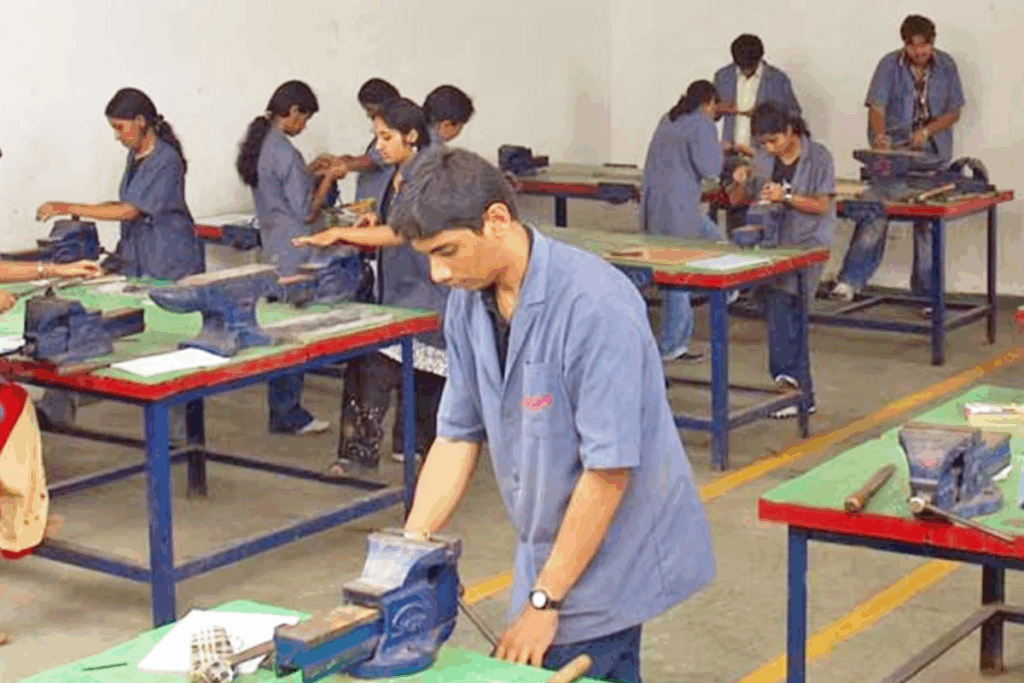
Odisha is investing heavily in industrial development but faces a shortage of skilled technical workers. Starting an Industrial Training Institute that provides short term skill training in trades like electrician, fitter, welder, machinist, computer operator, or newer skills like solar panel installation creates both a business and serves social need.
The business involves setting up a training center with proper equipment and experienced instructors. You offer courses that are certified by National Council for Vocational Training or Odisha Skill Development Authority. You train students for a few months to a year and help them get jobs in industries.
Investment Required: Setting up a small ITI needs fifteen lakhs to forty lakhs rupees depending on which trades you offer. This includes buying or renting a suitable building with classroom and workshop space, purchasing training equipment and tools for your chosen trades, hiring qualified instructors with both technical knowledge and teaching skills, getting affiliation from NCVT or state skill development authority, buying furniture and teaching materials, and initial marketing costs.
Return on Investment: Skill training is a high margin business once you achieve reasonable batch sizes. You can charge students ten thousand to forty thousand rupees per course depending on duration and trade. Government schemes also provide funding for training underprivileged students where you get paid per student trained. With proper operations, profit margins are forty to fifty percent. Monthly revenues can be two lakhs to eight lakhs rupees. Investment recovery takes three to four years.
Pros and Cons: Huge demand for skilled workers in Odisha’s growing industries. Government support through various schemes and subsidies. Once you build a reputation for quality training and good placements, students come automatically. Multiple batches can run simultaneously increasing capacity utilization. The business is steady as training needs are year round. Satisfaction of helping youth become employable.
Challenges include getting the necessary approvals and affiliations which involve bureaucracy. Finding experienced instructors who can also teach is difficult. Equipment maintenance and replacement costs are ongoing. Competition from established government ITIs and other private institutes. Getting good placement rates requires building relationships with many companies. Some trades have seasonal demand affecting admissions.
Steps to Start: Research which technical skills are most in demand in Odisha’s industries. Talk to companies about their hiring needs. Decide on three to four trades you want to offer based on market demand and your ability to set up equipment. Study the requirements for NCVT affiliation or state certification.
Find a suitable building with adequate space for classrooms and workshops. Ensure proper power supply as technical training equipment needs electricity. Buy quality training equipment as substandard equipment will not prepare students properly. Hire instructors with proper qualifications and industry experience. Many retired professionals from industries make excellent instructors.
Apply for necessary approvals and affiliations. This process takes time so start early. Register your institute properly. Get recognized under government skill development schemes which bring funding. Create an attractive campus even if small. Set up a placement cell from day one. Build relationships with companies who can hire your students.
Market your institute through colleges, employment exchanges, social media, and local advertisements. Offer a few free or highly subsidized seats to deserving students as social responsibility. Focus intensely on training quality and placement support. Student word of mouth is your best marketing. Track your placed students and their progress. Their success will bring you more admissions.
Ayurvedic and Herbal Products Manufacturing

Odisha has a rich tradition of herbal medicine and ayurveda. The state grows many medicinal plants and herbs naturally. Starting a business manufacturing ayurvedic products like herbal oils, immunity boosters, skin care products, hair care products, or health supplements connects you to this heritage while serving a growing market.
The business involves formulating products based on traditional knowledge or existing formulas, setting up a manufacturing unit following good manufacturing practices, getting necessary licenses, and marketing your products through retailers, online platforms, and possibly clinics and hospitals.
Investment Required: Manufacturing ayurvedic products requires significant investment. You need fifteen lakhs to forty lakhs rupees to set up a basic unit. This includes renting factory space in an approved industrial area, buying manufacturing equipment like mixing vessels, filling machines, and packaging equipment, getting licenses from Drug Control department and AYUSH ministry, buying raw materials and packaging materials, testing and quality control setup, and initial marketing.
Return on Investment: Herbal products have good margins typically between forty to sixty percent because raw material costs are low but products sell at good prices due to perceived health benefits. Monthly revenues can be three lakhs to ten lakhs rupees once you build distribution. However, building brand awareness takes time. Investment recovery takes three to five years.
Pros and Cons: Growing market for natural and ayurvedic products as people move away from chemicals. Multiple product categories possible from health to beauty. You can start with a few products and expand the range. Export opportunities exist especially to countries with Indian diaspora and growing markets in Europe. Government support available for ayurvedic businesses. Products based on traditional knowledge have good acceptance.
Major challenges include strict regulatory requirements and licensing which involves detailed documentation. Quality control is critical as herbal products vary based on raw material quality. Shelf life management requires proper preservation. Building brand trust takes time and consistent quality. Competition from established ayurvedic brands is strong. Marketing requires education as customers need to understand product benefits. Sourcing genuine raw materials at reasonable prices is sometimes difficult.
Steps to Start: Get proper education in ayurveda or hire a qualified ayurvedic expert who can develop formulations. Decide on your product category and specific products based on market research. Develop formulations and test them thoroughly for effectiveness and safety. Study all regulatory requirements from AYUSH and drug control authorities.
Set up a manufacturing unit following good manufacturing practices guidelines. Get your factory license, drug licenses for each product, and any certifications required. Source raw materials from certified suppliers who can provide quality certificates. Set up proper quality testing facilities or tie up with testing laboratories.
Start with manufacturing only a few products initially. Perfect your formulas, manufacturing process, and packaging before expanding. Create attractive packaging that highlights natural ingredients and ayurvedic heritage. Price competitively but not too low as that affects perceived quality. Start selling through local shops and pharmacies. Create strong online presence through your website and marketplaces.
Consider getting your products tested and reviewed by third party labs to build credibility. Invest in digital marketing especially content marketing where you educate customers about ingredients and benefits. Get certifications like organic or Ayush Premium Mark if possible.
Renewable Energy Solutions and Solar Panel Installation

With increasing electricity costs and environmental awareness, demand for solar power systems is growing rapidly. Odisha gets good sunlight for most of the year making solar energy viable. Starting a business that installs and maintains solar power systems for homes, commercial buildings, and industries serves a growing market.
The business involves assessing customer requirements, designing solar systems, procuring quality panels and equipment from manufacturers, professional installation, and providing after sales service. You can target residential customers, shops and commercial buildings, schools and hospitals, factories, and even offer solar water pumps to farmers.
Investment Required: To start a solar installation business, you need eight lakhs to twenty lakhs rupees. This includes getting trained and certified in solar installation, buying basic tools and equipment, getting empaneled with solar panel manufacturers as authorized installer, arranging working capital since customers often pay after installation, hiring trained technicians, buying a vehicle for site visits and material transport, getting necessary licenses, and marketing costs.
Return on Investment: Solar installation business offers good margins of twenty to thirty percent on system cost. A typical residential system costs one and a half to four lakhs rupees. Commercial and industrial projects are much bigger. With regular projects, monthly revenues can be five lakhs to fifteen lakhs rupees. Since most cost is materials which you buy only when you have orders, working capital needs are manageable. Investment recovery takes two to three years.
Pros and Cons: Growing market as solar becomes more affordable and power tariffs increase. Government subsidies and schemes make solar attractive to customers. You are promoting clean energy which is environmentally positive. Business is scalable from small residential to large commercial projects. After sales service and maintenance create recurring revenue. Technology improvements make solar more efficient attracting more customers.
Challenges include high competition from many solar companies. Customers are often not well informed and shop primarily on price. Quality of equipment varies widely and using cheap components affects system performance hurting your reputation. Installation requires technical expertise and mistakes can be dangerous. Getting payments from some customers especially in residential segment can be slow. Government subsidy procedures are complex.
Steps to Start: Get proper training in solar system design and installation from recognized institutes. Understand different types of solar panels, inverters, batteries, and other components. Learn about government schemes and subsidies available for solar. Get empaneled with good quality solar panel manufacturers. Do not chase cheapest products.
Register your company properly. Get necessary electrical contractor licenses. Hire electricians with experience in solar installation and train them well. Safety is critical. Create a professional website and marketing materials. List yourself on solar company directories and online platforms. Start marketing through social media focusing on education about solar benefits.
Initially, get some residential projects even at lower margins to build portfolio. Take good quality photos of completed installations. Get testimonials from satisfied customers. Use these for marketing. Build relationships with architects, builders, and electrical consultants who can refer projects. Target RWAs and apartment complexes for bulk installations.
Always conduct proper site surveys before quoting. Design systems appropriately for the load. Use quality components only. Provide detailed quotes explaining everything clearly. Be transparent about costs and savings expectations. Install professionally with proper documentation. Provide good warranty and after sales service. Focus on building long term reputation rather than quick profits.
Common Questions About Starting Business in Odisha
What is the minimum investment needed to start a business in Odisha?
The minimum investment depends entirely on which business you choose. Some businesses like becoming a distributor or starting a small home based food business can start with just one to two lakhs rupees. However, for most manufacturing or service businesses that we discussed, you should plan for at least five to ten lakhs rupees to start properly. This gives you enough working capital to operate for the first few months while you build your customer base. It is always better to start with adequate capital rather than running out of money in the middle.
Which business has the fastest return on investment in Odisha?
Service based businesses generally give faster returns compared to manufacturing businesses. Businesses like IT services, training institutes, or tourism services can become profitable within the first year itself if you execute well. Trading businesses like handloom or handicrafts also give quicker returns. Manufacturing businesses usually take two to three years to recover investment because of higher setup costs and time needed to establish market presence. However, faster return does not mean easier business, so choose based on your skills and interests.
Do I need special permits to start a business in Odisha?
Most businesses require basic registrations like GST registration, shop and establishment license, and trade license from local municipal corporation. Beyond these, specific businesses need additional permits. Food businesses need FSSAI license. Manufacturing units need factory license and pollution clearance. Tourism businesses need registration with tourism department. ITI needs education department affiliation. The good news is Odisha has a single window clearance system where you can apply for multiple permits together. The process is now much simpler than before.
Is it difficult to get bank loans for starting business in Odisha?
Getting bank loans has become easier with various government schemes supporting small businesses. Banks look at your business plan, your own contribution which should be at least twenty five to thirty percent of total project cost, your ability to repay, and any collateral you can provide. If you are a first time entrepreneur, it helps to approach banks that have special schemes for new entrepreneurs. Government schemes like Mudra loans and Stand Up India make it easier to get loans up to certain amounts without heavy collateral requirements.
Which locations in Odisha are best for starting business?
For manufacturing businesses, look at industrial areas in cities like Bhubaneswar, Cuttack, Rourkela, Sambalpur, and Berhampur. These have better infrastructure and support services. For service businesses, Bhubaneswar is the best option as it has the most educated population and growing economy. For tourism related businesses, locations near Puri, Konark, Chilika Lake, and Bhitarkanika are excellent. For trading businesses, any district headquarters town works well. For agriculture and related businesses, be close to your raw material sources in rural areas but ensure good road connectivity.
How long does it take to set up a business in Odisha?
The timeline varies by business type. A simple trading or service business can be started in one to two months once you have arranged the capital. This includes getting your registrations done. Manufacturing businesses take three to six months because you need factory setup, equipment installation, and getting operating licenses. Tourism and hospitality businesses need similar timelines if building or renovation is involved. Food processing units can take six months to a year considering FSSAI licensing procedures. The key is to start the permit and license applications early in parallel with your other setup work.
What support does Odisha government provide to new businesses?
Odisha government has several schemes supporting entrepreneurs. MSME Policy provides capital subsidy, interest subsidy, and tax benefits for small and medium businesses. Startup Odisha scheme supports new innovative businesses with funding, mentoring, and incubation facilities. Women entrepreneurs get additional benefits under various schemes. Skill development programs provide trained workers. Industrial infrastructure like sheds and plots are available at reasonable rates in industrial estates. The government has simplified procedures through online portals reducing time and bureaucracy.
Can I run an export business from Odisha?
Absolutely. Odisha has good port facilities at Paradip and Gopalpur for exports. Bhubaneswar has an international airport with cargo facilities. Many products made in Odisha like handicrafts, shrimp, minerals, and processed foods have good export demand. You need to register with Export Promotion Councils, understand export documentation and procedures, and comply with quality standards of destination countries. Government provides support through export subsidies and help with participating in international trade fairs.
What are the tax benefits for businesses in Odisha?
Odisha offers various tax incentives depending on business type and location. Manufacturing units in certain backward districts get exemption from state GST for few years. IT and IT enabled services companies get tax holidays. Export oriented units get various exemptions. New businesses under Startup Odisha scheme get some tax benefits. Specific benefits depend on your business category and where you set up, so check with Odisha MSME department or your chartered accountant for applicable benefits in your case.
How do I find skilled workers for my business in Odisha?
Odisha has several technical and professional colleges producing qualified graduates. For technical skills, ITIs and polytechnics train workers in various trades. For finding employees, register with government employment exchanges, post on job portals like Naukri and Indeed, connect with placement cells of colleges, and use social media for recruitment. For specialized skills, you might need to hire from other states initially while training local workers. Government skill development programs can help you find trained workers in many domains.
Is competition high for small businesses in Odisha?
Competition exists in every market but is generally less intense in Odisha compared to major metros. Most sectors still have room for new players especially if you offer good quality and service. The key is to find your niche rather than competing directly with established big players. For example, instead of competing with national handicraft chains, focus on authentic tribal crafts. Instead of competing with big IT companies for large contracts, target small and medium businesses. Unique positioning and strong execution matter more than competition levels.
What are common mistakes to avoid when starting business in Odisha?
The biggest mistake is starting without adequate research and planning. Many people see someone else succeeding and jump into the same business without understanding the market. Other common mistakes include underestimating capital needs and running out of money, not getting proper licenses and facing legal problems later, compromising on quality to save costs which ruins reputation, not focusing enough on marketing and customer acquisition, hiring wrong people especially in key positions, and not keeping proper accounts and financial records. Take time to plan properly and seek guidance from experienced business people.
Do I need to know Odia language to do business in Odisha?
For businesses dealing with local customers, suppliers, or government departments, knowing Odia is very helpful and sometimes necessary. However, in Bhubaneswar and other cities, you can manage with Hindi and English for many businesses. If you are setting up manufacturing or trading businesses that deal primarily with rural areas or local artisans, Odia becomes important. Either learn basic Odia which is not very difficult, or hire key staff members who are fluent in the language. Understanding local language also helps build better relationships with customers and partners.
What is the best business for women entrepreneurs in Odisha?
Many businesses are very suitable for women entrepreneurs. Handicrafts trading, boutique and clothing business, catering and food business, beauty and wellness services, training institutes for skills like tailoring or beautician courses, small manufacturing of products like pickles or snacks, running homestays, and organic farming are all excellent options. Women get additional support through government schemes. The key is to choose something that matches your skills and interests. Many successful women entrepreneurs in Odisha have started small from home and grown into substantial businesses over time.
How important is online presence for business in Odisha?
Online presence is becoming increasingly important even in Odisha. Younger customers research products online before buying. Having a good website, active social media presence on Facebook and Instagram, and listings on Google Maps all help customers find and trust your business. For products that can be sold online, marketplaces like Amazon, Flipkart, and specialized platforms provide access to customers across India. Even for local service businesses, online presence builds credibility. The good news is creating basic online presence is not expensive and can be done without hiring expensive agencies.
Final Thoughts on Starting Your Business Journey in Odisha
Odisha stands at an exciting point in its economic development. The state has grown rapidly over the last decade and this growth is expected to continue for many more years. This creates a wonderful environment for people who want to start their own businesses.
From my research and conversations with business owners across Odisha, some clear patterns emerge. The businesses that succeed are those where the entrepreneur genuinely understands and cares about their product or service. Quick money schemes rarely work. Building a reputation for quality and honest dealing is the most important investment you can make.
Another important lesson is to start with what you know or can learn properly. Do not jump into a business just because it seems profitable if you have no understanding of that field. Either learn the business thoroughly first, or partner with someone who has expertise while you handle other aspects like finance or marketing.
Most successful businesses in Odisha start small and grow steadily. Very few people hit big success immediately. Be patient and persistent. Focus on satisfying each customer rather than worrying about becoming big quickly. Happy customers bring more customers and that is how businesses grow sustainably.
Financial planning is critical. Always have more capital than you think you need because unexpected expenses always come up. Keep detailed records of all income and expenses from day one. Many small businesses fail not because the business idea was bad but because they ran out of money or did not manage cash flow properly.
Take advantage of the various government schemes and support available for small businesses in Odisha. The government genuinely wants to help entrepreneurs and has made processes simpler than before. Do not hesitate to approach MSME department, Startup Odisha, or other support organizations.
Choose a business that excites you personally because entrepreneurship is demanding. There will be difficult days when things do not go as planned. If you are doing something you care about, you will find the motivation to keep going and solve problems as they come.
Odisha offers something for every type of entrepreneur. Whether you want to preserve traditional crafts, build a technology company, help farmers, serve tourists, or manufacture products, opportunities exist. The combination of rich cultural heritage, natural resources, improving infrastructure, and supportive government policies makes this a great time to start your business journey in Odisha.
Remember that every big business today started small. What matters is taking that first step with proper planning and then executing with dedication and honesty. Odisha needs more entrepreneurs who can create jobs, serve customers well, and contribute to the state’s development.
I hope this guide helps you choose the right business idea and gives you the confidence to start your entrepreneurial journey. Success will not come overnight but with the right approach and persistent effort, you can build a thriving business in Odisha that provides you good income while making a positive difference.