

You know what makes Kerala different from most other places in India? It’s not just the beautiful backwaters or the coconut trees. It’s the fact that nearly everyone here can read and write, people have money to spend, and there’s a genuine culture of supporting local businesses. I’ve seen this firsthand while researching business opportunities across the state.
When I talk to entrepreneurs who’ve made it big in Kerala, they all say the same thing. Success here isn’t about copying what works in Mumbai or Bangalore. It’s about understanding what makes Kerala special and building your business around that. The tourists who come here want authentic experiences. The locals want quality. And there’s real money flowing in from NRIs who send home their earnings.
Starting a business anywhere feels scary, I get it. You’re putting your savings on the line, leaving a stable job maybe, and hoping everything works out. But here’s what I want you to know. Kerala actually gives you better odds than most places. The literacy rate is through the roof, which means you can find good employees and smart customers. The roads are decent, internet works fine, and banks are more willing to lend here because people actually pay back their loans.
In this guide, I’m going to walk you through business ideas that actually make sense for Kerala. Not random stuff pulled from thin air, but real opportunities based on what’s working right now. For each idea, I’ll tell you honestly how much money you need, what kind of returns you can expect, and yes, the problems you’ll face too. No sugarcoating, just real talk.
Why Kerala Works for Entrepreneurs
Let me tell you something interesting. Every year, more than 19 million tourists visit Kerala. Think about that number for a second. These aren’t just people passing through. They’re spending money on hotels, food, tours, souvenirs, and experiences. If your business can tap into even a tiny fraction of that, you’re looking at serious revenue.
But tourism is just one part of the story. Kerala has something most states would kill for – remittance money. Thousands of Keralites work in the Gulf, in America, in Europe, and they send money home. Their families here have purchasing power. They want quality products and they’re willing to pay for them. This creates opportunities in everything from healthcare to education to lifestyle products.
The government here actually tries to help small businesses. I know, I know, dealing with government offices can be frustrating anywhere. But Kerala has schemes through the Startup Mission, subsidies for organic farming, and support for food processing units. Yes, you’ll need patience with paperwork, but the support exists if you know where to look.
Another thing people don’t realize about Kerala is the educated workforce. You’re not going to struggle finding someone who can use a computer, speak decent English, or learn new skills quickly. This matters more than you’d think when you’re trying to build something from scratch.
Getting Into Tourism and Hospitality
Running a Homestay or Small Guesthouse

I’ve stayed at dozens of homestays across Kerala, and I can tell you the best ones aren’t the fanciest. They’re the ones where you feel like you’re experiencing real Kerala life. That’s what tourists want now. They don’t want another sterile hotel room. They want to eat breakfast with a Kerala family, learn how to make puttu, hear stories about the neighborhood.
If you’ve got a house with a couple of spare rooms in a place like Munnar, Alleppey, Wayanad, or even Fort Kochi, you’re sitting on a potential goldmine. I’m not exaggerating. People are paying 2000 to 5000 rupees per night for clean, comfortable rooms with warm hospitality.
Starting this doesn’t require millions of rupees. You’ll need somewhere between 3 to 5 lakh to fix up the rooms properly. Good mattresses matter more than fancy furniture, trust me. A clean bathroom with hot water is non-negotiable. WiFi is expected. Beyond that, it’s really about the experience you create.
During peak season from October to March, a three-room homestay can bring in 1 to 2 lakh rupees monthly. Even in slower months, if you’re listed on Airbnb and Booking.com, you’ll get steady bookings. After covering your expenses, you’re looking at keeping 40 to 60 percent as profit. Most homestay owners I’ve talked to got their money back within two to three years.
The beautiful part about this business is it’s actually quite personal. You meet people from all over the world. You share your culture. Many guests become friends and come back year after year. Some of my best conversations have happened over breakfast at homestays where the owner genuinely cared about showing visitors their Kerala.
But let’s be real about the challenges too. Tourism here is seasonal. June to September during monsoons, your bookings will drop. You need to be comfortable having strangers in your home. Some guests will be demanding or difficult. Competition has gotten intense with so many new homestays opening up. And you’re essentially on call all the time when you have guests.
Starting a Houseboat Tourism Business
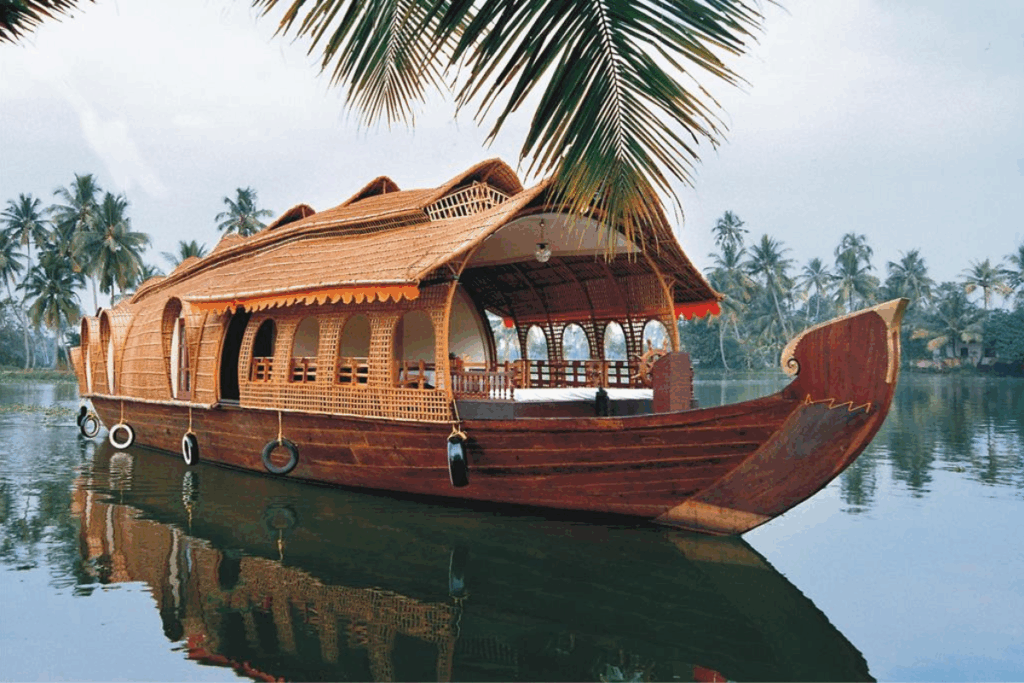
Nothing says Kerala like drifting through the backwaters on a traditional houseboat. I’ve done this trip multiple times and it never gets old. For tourists, it’s often the highlight of their Kerala visit. They’ll happily pay premium prices for this experience, which makes it a lucrative business if you can get into it.
You have two main options here. Either you invest in building or buying your own houseboat, which is expensive but gives you full control. Or you partner with existing houseboat owners to handle their bookings and operations, taking a commission. The second option lets you start with much less money.
Building a proper houseboat with basic amenities sets you back 25 to 40 lakh rupees. That’s a big number, no question. But these boats, if maintained well, can run for decades. You’re looking at charging 10,000 to 25,000 rupees per day depending on the season and facilities you offer. With decent occupancy, you can generate 8 to 15 lakh rupees yearly in profit after expenses.
If buying a boat feels out of reach, the partnership model works too. Many houseboat owners struggle with marketing and management. If you can bring them online bookings and handle guest communications, they’ll happily give you 20 to 30 percent commission. You can start this with just 50,000 to 1 lakh rupees for website and marketing.
The best thing about houseboat tourism is the demand stays strong. Indians and foreigners both love this experience. Kerala tourism department actively promotes backwaters, which helps your marketing. Once you establish a reputation, repeat business and referrals keep coming.
Now the flip side. That initial investment for owning a boat is genuinely hefty. Most people need bank loans, which means interest payments and pressure to perform. Houseboats need constant maintenance because they’re always in water. Licensing and permissions involve dealing with tourism department and local authorities. And places like Alleppey have hundreds of houseboats, so competition is fierce. Monsoon season affects safety and operations too.
Adventure Tourism Activities

Kerala has mountains, forests, rivers, beaches. This geography is perfect for adventure activities. I’ve seen how excited people get about zip-lining through forest canopy in Wayanad or river rafting in Thrissur. There’s real opportunity here if you can do it safely and professionally.
You could set up trekking expeditions, rock climbing walls, rappelling sites, camping experiences, bird watching tours, or wildlife safaris. The key word is safety. People want thrills but they also want to feel secure that you know what you’re doing.
Starting an adventure tourism setup requires 5 to 8 lakh rupees. Most of that goes into proper safety equipment like harnesses, helmets, ropes, and first aid supplies. You need insurance, you need trained guides, and you need vehicles to transport people. Getting certified and licensed adds cost but it’s essential.
In good tourist spots, peak season can bring you 2 to 4 lakh rupees monthly. After paying guide salaries and maintaining equipment, you keep about 35 to 50 percent as profit. The smart operators also target schools and colleges for educational trips, and corporates for team building. This gives you income even during tourist off-season.
What I like about this business is how it’s growing. Young travelers today want active holidays, not just sightseeing. You can differentiate through unique activities or exceptional safety standards. Operational costs stay relatively low once you’re established. You can expand by adding new activities based on customer feedback.
The serious consideration is safety and liability. One accident can destroy your business overnight, which is why insurance is crucial. Weather dictates everything – you can’t operate during heavy rains. Finding and keeping physically fit, trained staff isn’t easy. Certification processes take time and require patience with bureaucracy.
Food Business Opportunities
Opening a Kerala Restaurant

Let’s talk about food, because Kerala food is genuinely special. Whether it’s the seafood on the coast, the Syrian Christian recipes, or the vegetarian sadya, there’s so much variety. A restaurant serving authentic Kerala cuisine can work brilliantly not just in Kerala but honestly anywhere in India.
Within Kerala though, you need to think about your angle. Are you doing traditional meals on banana leaf? Specializing in seafood? Focusing on the Kerala Christian wedding feast style food? Having a clear identity helps you stand out.
People here eat out regularly and they’re particular about taste and quality. If you get those right, word spreads fast. Location matters tremendously though. A spot near offices, colleges, or residential areas with good parking makes a huge difference.
For a medium-sized place seating 30 to 50 people, budget 8 to 15 lakh rupees. This covers your rent advance, kitchen equipment like stoves and fridges, tables and chairs, plates and utensils, your first stock of ingredients, FSSAI license, and some initial marketing. Going smaller or starting in a food court can cut this to 3 to 5 lakh.
A successful restaurant generates 3 to 6 lakh rupees monthly in sales. After paying for ingredients, rent, staff salaries, and electricity, you typically keep 15 to 25 percent. Restaurants usually take 12 to 18 months to break even. Once you build a regular customer base though, profitability improves significantly.
The restaurant business is tough, I won’t lie. Competition is absolutely brutal in cities. Your ingredient costs keep fluctuating, especially for fish and vegetables. You need to maintain perfect hygiene and consistent taste every single day. Finding and keeping good cooks is challenging because everyone wants them. You’re working long hours, especially in the beginning. Food wastage and managing inventory requires constant attention.
But when it works, there’s something satisfying about feeding people and seeing them enjoy your food. Many of Kerala’s most successful restaurants started as small family operations that focused on quality and consistency.
Organic Food Delivery Service

More and more people in Kerala want organic, chemical-free food but don’t have time to shop for it. Starting a delivery service for organic vegetables, fruits, groceries, and staples fills this gap perfectly. It’s especially viable in cities where professionals value convenience and health.
The business model is straightforward. You source organic products directly from farmers, take orders through a website or WhatsApp, and deliver on fixed schedules. Some businesses do weekly subscriptions which creates predictable revenue.
You can start this with just 1 to 2 lakh rupees. Main costs are building relationships with reliable organic farmers, basic certification, a simple website or just using WhatsApp business, delivery vehicles or tying up with delivery services, and initial marketing to get your first customers.
Initially you might make 50,000 to 1 lakh monthly handling 20 to 30 customers. Within a year, as word spreads, this can grow to 2 to 3 lakh rupees monthly with 100 plus regular customers. Profit margins on organic products are decent, around 25 to 35 percent. The subscription model where customers order weekly essentials gives you reliable recurring income.
I like this business because health awareness keeps growing. Once customers trust your quality, they stick with you. Infrastructure needs are minimal compared to opening a shop. You can literally start from home and scale up gradually. You’re also supporting local farmers which feels good.
The challenges are real though. Finding consistent quality organic products throughout the year is hard. Fresh produce doesn’t last long so inventory management is critical. Getting those first customers costs money in marketing. Competition from supermarkets and bigger players is increasing. Delivery logistics in traffic can be frustrating. Building genuine trust that your products are truly organic takes time.
Bakery Business

Kerala loves its bakery products. Fresh bread for breakfast, cakes for birthdays, banana chips for snacking – it’s all part of daily life. A good bakery in a residential area with decent footfall can become a steady money-making machine.
The secret isn’t fancy European pastries. It’s fresh bread every morning, tasty tea-time snacks, custom cakes that taste good, and maybe some traditional Kerala snacks. Consistency and freshness matter more than anything else.
Starting a small bakery needs 4 to 7 lakh rupees. Major spending goes on ovens, mixers, refrigerators, display counters, your first batch of ingredients, packaging materials, shop setup, and getting your licenses. Location drives both rent costs and customer walk-ins, so choose carefully.
A well-placed bakery sells 5,000 to 15,000 rupees worth daily. That’s 1.5 to 4 lakh rupees monthly. Margins on bakery items are pretty good, around 30 to 40 percent. Custom cake orders for celebrations bring extra profit. Most bakeries get their investment back within 18 to 24 months.
What works about the bakery business is people need these products daily. Regular customers become your foundation. You can stand out through better quality and unique items. Working hours are manageable with peak times in morning and evening. Home delivery and taking orders online expands your reach.
The tough parts include intense competition from established bakeries in any area. Ingredient costs, especially butter and cheese and dry fruits, keep rising. You need skilled bakers and training new people takes time. Leftover fresh items become waste which hurts profits. Your day starts extremely early, like 4 or 5 AM, for fresh morning products.
Agriculture and Farming Businesses
Organic Vegetable Farming
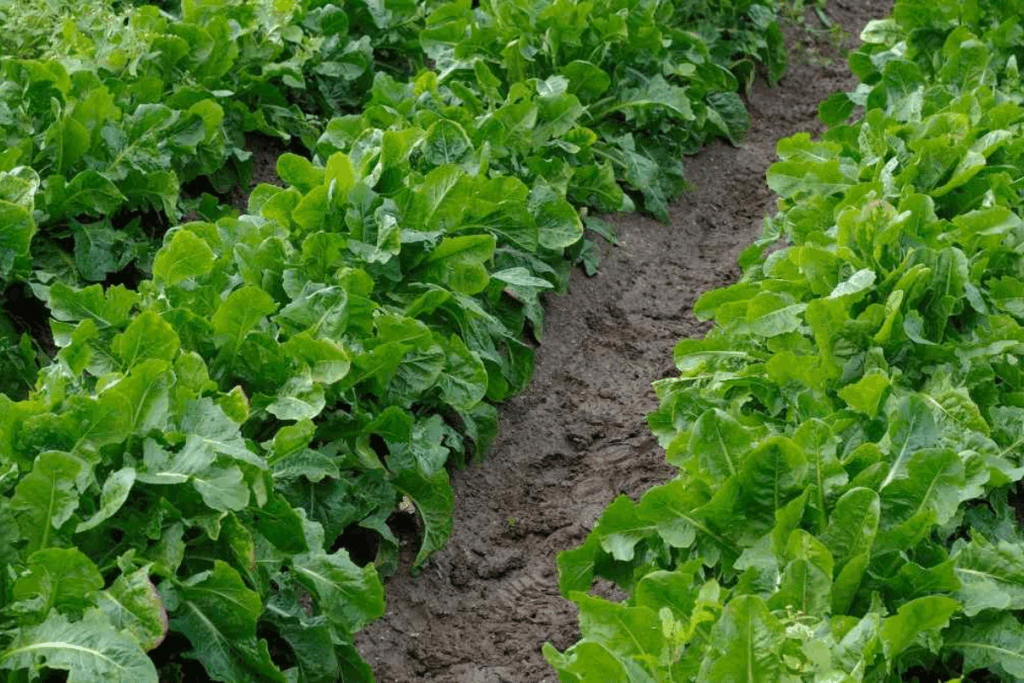
Growing vegetables organically makes sense in Kerala for several reasons. The climate is good, there’s water availability, and demand for pesticide-free produce is growing fast. You can sell to organic stores, restaurants, homestays, or directly to health-conscious customers.
Starting with popular vegetables like tomatoes, beans, bitter gourd, cucumber, and leafy greens gives you faster returns. Getting organic certification adds credibility and lets you charge premium prices, which makes a real difference to your profits.
On one acre, you need 2 to 4 lakh rupees to start. This goes into preparing the land, organic manure and compost, vermicompost setup, buying seeds, installing drip irrigation, basic tools, and certification costs. If you already own land, obviously your investment drops. Leasing land is possible if buying feels too expensive.
One acre of organic vegetables can give you 3 to 6 lakh rupees yearly depending on what you grow and how well you market. Profit margins are strong at 40 to 60 percent because you’re not buying chemical fertilizers and pesticides. Fast-growing crops start giving returns within 3 to 4 months. Building steady relationships with buyers improves your profits over time.
Organic farming aligns with where the world is heading. Customers happily pay more for pesticide-free vegetables. You spend less on expensive chemical inputs. It’s better for your health and the land. Government offers subsidies and schemes supporting organic farming. Kerala’s climate lets you grow multiple crop cycles yearly.
The reality check is organic farming needs more knowledge than conventional farming. Initial yields are lower than chemical farming until your soil improves. Managing pests without chemicals is genuinely challenging. Organic certification involves paperwork and takes time. Marketing to get fair prices requires effort. Physical work and constant monitoring are necessary.
Growing Spices

Kerala’s reputation as the spice garden of India isn’t just history. Growing spices like cardamom, pepper, turmeric, ginger, vanilla, and nutmeg remains profitable, especially in highland areas. If you have access to land in Idukki, Wayanad, or parts of Palakkad, spice cultivation combined with trading can generate excellent income.
Spices aren’t perishable like vegetables and fetch good prices domestically and internationally. Many farmers add value by processing and packaging spices for retail instead of just selling raw.
Per acre, spice cultivation requires 3 to 6 lakh rupees depending on what you grow. Perennial crops like cardamom and pepper need more initial investment but produce for many years. Costs cover planting materials, land preparation, irrigation setup, organic manure, plant protection, and labor for the first year before harvest.
Spice crops typically start producing after 2 to 3 years for things like cardamom and pepper. Once established, annual revenue from one acre ranges from 2 to 5 lakh rupees. Profit margins are attractive at 50 to 70 percent. Prices fluctuate with market conditions but long-term returns are solid.
Spices command premium prices both in India and abroad. Perennial crops keep producing for 10 to 20 years with proper care. Labor requirement is lower than vegetable farming. Kerala’s climate naturally suits most spices. Government schemes support spice farmers through subsidies and market connections.
The hard parts are substantial initial investment and waiting years for returns. Market prices swing significantly based on global supply and demand. Diseases and pests can damage crops without proper management. You need suitable land in specific areas with right climate. Heavy labor is needed initially for establishing plantations. Storage and handling after harvest need proper facilities.
Poultry Farming
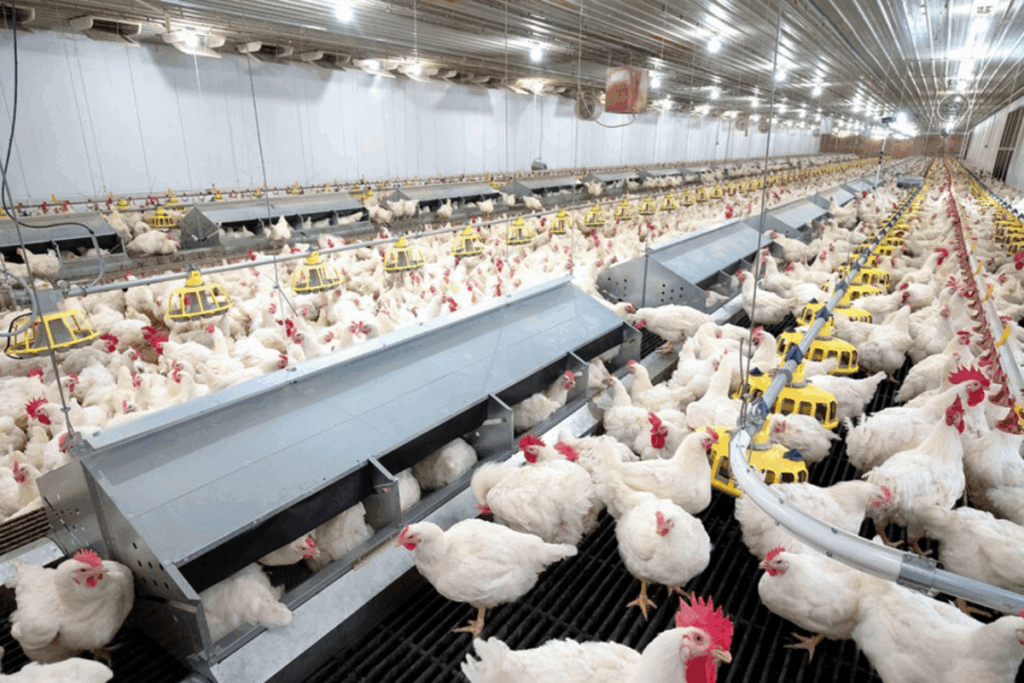
Poultry for meat or eggs is consistently profitable in Kerala where chicken and eggs are consumed widely. The state doesn’t produce enough locally, so much comes from Tamil Nadu and Karnataka. This gap creates opportunity for local producers.
You can choose broiler farming for meat, layer farming for eggs, or country chicken which fetches higher prices but grows slower. Each option has different economics and timelines.
For 500 birds, you need 3 to 5 lakh rupees. This covers building a shed, buying chicks, feed for the first batch, feeders and waterers, lighting, and initial vet costs. Scaling to 1000 birds means 6 to 8 lakh rupees but gives you better economies of scale.
Broiler farming gives returns in 45 to 50 days per batch. With 500 birds and assuming normal losses, you make 15,000 to 25,000 rupees profit per batch. Running 6 batches yearly means roughly 1 to 1.5 lakh rupees annual profit. Layer farming for eggs provides steadier monthly income of 20,000 to 40,000 rupees but birds take longer to start laying.
Quick returns compared to most agriculture. Constant demand for chicken and eggs. You can start small and grow. Space needs are manageable. Government subsidies exist for poultry. Modern techniques are proven and easy to learn.
Disease outbreaks can wipe out your entire stock quickly. Feed costs fluctuate and are your biggest expense. Market prices change affecting profits. Daily physical work and monitoring are essential. Managing manure and waste is challenging. Finding buyers who pay fair prices takes effort.
Manufacturing Ideas
Coconut Product Manufacturing
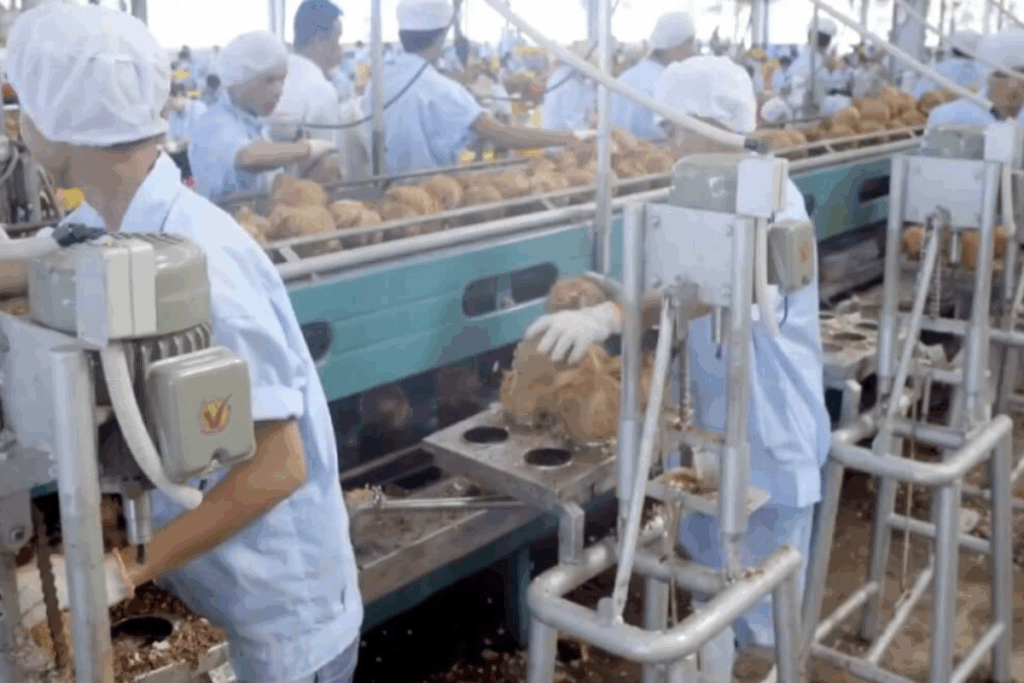
Coconut trees are everywhere in Kerala yet coconut products have good market potential. Processing coconuts into virgin coconut oil, desiccated coconut, coconut milk, coconut water, coir products, or activated charcoal from shells can be profitable.
Raw material is easily available at reasonable prices and demand for coconut products in health markets keeps growing. Export opportunities exist for quality products too.
Setting up a small processing unit needs 5 to 10 lakh rupees. This covers basic machinery, processing equipment, packaging materials, initial raw material purchase, licenses, and working capital. Starting with one product keeps initial costs lower.
Monthly revenue depends on your production capacity and marketing, typically 2 to 4 lakh rupees for a small unit. Profit margins on coconut products are healthy at 30 to 45 percent. Value-added products like virgin coconut oil command premium prices and better margins.
Raw material is abundant in Kerala. Multiple products possible from different coconut parts. Health trends increase demand for coconut oil and products. Export potential exists. Government supports food processing units.
Machinery investment is significant upfront. Quality consistency is critical for brand building. Competition from established brands exists. Packaging and branding costs add up. FSSAI and other certifications take time. Seasonal coconut price variations affect costs.
Handicrafts and Coir Items

Kerala’s handicraft traditions including coir products, bamboo crafts, wood carvings, and traditional textiles have steady markets. Setting up production for items like coir mats, bags, wall hangings, and bamboo home decor meets tourism and export demand.
You can learn the craft yourself, employ skilled artisans, or aggregate products from multiple artisans and focus on marketing. The last option needs least investment.
Starting handicraft manufacturing requires 2 to 5 lakh rupees depending on scale. Costs include raw materials, tools, workspace, initial inventory, and marketing. Aggregating from existing artisans means 50,000 to 1 lakh for inventory and marketing.
Monthly revenue varies based on marketing channels but typically 1 to 3 lakh rupees for a small unit. Profit margins are good at 40 to 60 percent, especially for unique quality pieces. Exhibitions and tourism outlets increase revenue.
Kerala handicrafts have authentic cultural appeal. Tourist demand provides ready market. Lower competition than mass-produced items. Can start from home. Online platforms expand reach. Supports traditional artisans.
Finding skilled artisans is difficult as young people move away from traditional crafts. Production capacity is limited versus machines. Marketing needs consistent effort. Tourism demand is seasonal. Quality control with multiple artisans needs attention.
Ayurvedic Product Manufacturing
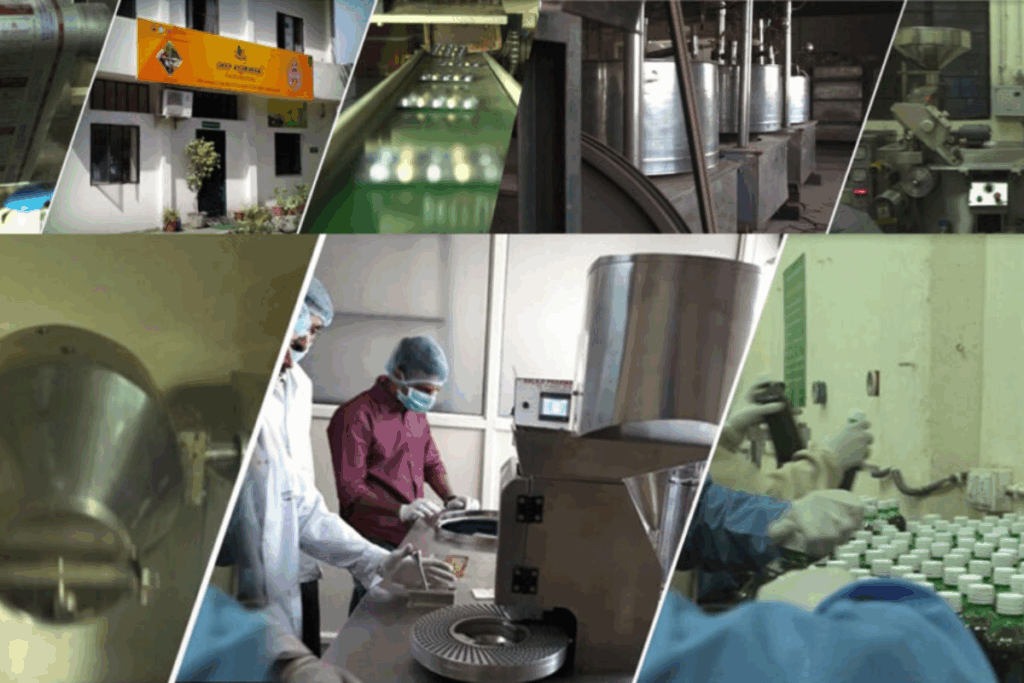
Kerala’s Ayurvedic heritage creates perfect conditions for manufacturing Ayurvedic products. Herbal oils, medicines, cosmetics, health supplements, herbal teas, and wellness products have growing demand domestically and internationally.
Starting with simpler products like herbal oils or teas keeps complexity manageable. Partnering with Ayurvedic doctors for authentic formulations adds credibility.
A small Ayurvedic manufacturing unit needs 8 to 15 lakh rupees. Major costs include processing machinery, quality testing equipment, raw materials, packaging, licenses including drug license and GMP certification, and marketing.
Monthly revenue for a small unit typically ranges from 2 to 5 lakh rupees depending on product range. Profit margins are healthy at 35 to 55 percent. Building a brand takes time but customer loyalty becomes strong.
Growing global interest in natural and Ayurvedic products. Premium pricing possible for quality. Kerala’s Ayurvedic reputation helps marketing. Multiple distribution channels available. Export opportunities exist.
Regulatory requirements are strict and licensing takes time. Raw material quality needs careful management. Building trust in health products requires patience. Competition from established brands is tough. Quality testing and certifications add costs. Product benefit claims need scientific backing.
Service Business Ideas
Digital Marketing Agency

Thousands of small businesses, homestays, resorts, and manufacturers in Kerala need digital marketing but lack expertise. Starting an agency offering social media management, SEO, content creation, Google Ads, and website development addresses this need perfectly.
Best part is extremely low startup costs and ability to work from anywhere. If you have digital marketing skills or will learn them, you can start from home with just laptop and internet.
You can start with 50,000 to 1 lakh rupees. Initial costs include business registration, professional website, necessary tools like social media software and design tools, and marketing to get first clients. With existing equipment and skills, even less.
Initial months might bring 30,000 to 50,000 rupees monthly with 2 to 3 clients. Within a year, managing 10 to 15 clients generates 2 to 4 lakh rupees monthly. Profit margins are excellent at 60 to 75 percent since main costs are time and minimal software subscriptions.
Extremely low startup investment. Work from home or small office. Scalable by hiring team members as you grow. Recurring monthly revenue from retained clients. Growing demand as Kerala businesses realize importance of online presence. Multiple services provide diverse revenue.
Client acquisition requires networking and demonstrating results. Competition from freelancers and agencies exists. Need to constantly update skills as digital marketing evolves. Some clients have unrealistic expectations. Cash flow can be irregular initially. Significant time in client communication and reporting.
Ayurvedic Spa and Wellness Center

Kerala’s reputation for authentic Ayurvedic treatments attracts wellness tourists worldwide. Opening an Ayurvedic spa in tourist areas or cities for local clients can be extremely profitable. Services include traditional massages, Panchakarma treatments, beauty treatments, and yoga.
Key is employing qualified therapists, using quality oils, and creating authentic relaxing atmosphere. Many successful spas start small and expand as reputation builds.
A small spa with 2 to 3 treatment rooms needs 6 to 10 lakh rupees. This covers interior ambiance creation, massage tables and equipment, initial stock of oils and products, hiring and training therapists, licenses, and marketing.
Monthly revenue depends on location and marketing, typically 2 to 5 lakh rupees for a small center. Profit margins are attractive at 40 to 55 percent. Tourist locations see seasonal peaks. Urban centers provide steadier year-round business.
High demand from tourists and health-conscious locals. Premium pricing possible for authentic quality treatments. Recurring clients provide stable base. Relatively low operational costs once established. Can combine with yoga classes and product sales for additional income.
Finding skilled certified therapists is challenging. Initial setup costs are substantial. Licenses and health regulation compliance necessary. Highly dependent on reputation and reviews. Tourist areas see seasonal fluctuations. Building trust takes time in wellness industry.
Event Management and Wedding Planning

Kerala’s culture emphasizes weddings and celebrations. Starting an event management company specializing in weddings, corporate events, birthdays, and cultural programs can be lucrative. The market grows as people prefer hiring professionals over managing themselves.
Starting by focusing on one event type like weddings then expanding works well. Building relationships with caterers, decorators, venues, photographers, and entertainment providers is crucial.
Starting requires 2 to 4 lakh rupees. Major expenses include office setup, marketing materials, website, business registration, and working capital for advance vendor payments. Much investment goes into building vendor network and creating portfolio.
Revenue per event varies significantly. A medium wedding might bring 50,000 to 1.5 lakh rupees in service fees. Managing 2 to 3 events monthly generates 1 to 3 lakh rupees monthly revenue. Profit margins range from 25 to 40 percent. Peak wedding seasons from November to February see higher activity.
Growing market as more people outsource planning. High profit potential for large events. Creative and satisfying work. Can start part-time initially. Successful events lead to word-of-mouth marketing. Multiple revenue streams through various event types.
Highly competitive field with established players. Success depends heavily on execution and satisfaction. Managing vendor relationships and ensuring quality requires attention. Irregular income with seasonal peaks and lows. High stress when managing events. Significant time commitment especially during event dates.
Education and Training Businesses
Coaching Classes and Tuition

Kerala’s education focus creates strong demand for quality coaching. Opening tuition for school students, competitive exams, or specialized subjects can be profitable. NEET coaching, JEE preparation, banking exam coaching, or school subjects all have steady enrollment.
Key is having qualified teachers delivering results. Location near schools or colleges helps enrollment. Starting with one subject or exam then expanding works better than offering everything immediately.
A small coaching center needs 2 to 4 lakh rupees. This includes renting space, basic furniture, whiteboard and teaching aids, initial marketing, registrations, and salaries for first few months. Running from home initially reduces investment significantly.
With 30 to 50 students paying monthly fees of 2,000 to 3,000 rupees, monthly revenue ranges from 60,000 to 1.5 lakh rupees. Profit margins after rent and teacher salaries typically range from 30 to 45 percent. Peak admissions coincide with academic year beginnings.
Consistent demand throughout academic year. Recurring monthly fee provides predictable income. Can start from home with minimal investment. Reputation built through results brings student referrals. Multiple batches and courses increase revenue.
Competition from established institutes is intense. Success heavily depends on student results and pass percentages. Finding and retaining good teachers is challenging. Working hours typically evenings and weekends. Student enrollment can fluctuate. Marketing to parents requires building trust and showing track record.
Skill Development Training

Teaching vocational skills like computer courses, spoken English, digital marketing, accounting software, graphic design, or hospitality management can be profitable. Many young Keralites seek job-ready skills beyond traditional education.
Partnering with colleges for skill programs or targeting working professionals wanting upgrades creates diverse revenue. Placement assistance significantly improves your institute’s reputation.
Setting up requires 4 to 7 lakh rupees. Costs include renting space, buying computers and equipment, software licenses, furniture, initial marketing, registrations, and instructor salaries. Starting with online courses reduces infrastructure needs.
Monthly revenue from 40 to 60 students in various courses at fees of 5,000 to 15,000 rupees generates 2 to 4 lakh rupees. Profit margins typically range from 35 to 50 percent. Corporate training programs provide additional high-margin revenue.
Growing demand for practical job-oriented skills. Multiple course offerings create diverse revenue. Can partner with companies for placements adding credibility. Both individuals and corporates are potential customers. Successful courses can be recorded and sold online for passive income.
Requires qualified trainers with real-world expertise. Equipment and software costs are ongoing. Job market changes require constantly updating curriculum. Competition from online learning platforms increasing. Students expect placement assistance requiring industry connections. Initial reputation building takes time and effort.
Online Education Platform

Creating an online platform focused on Kerala-specific content like Malayalam courses for NRIs, Kerala PSC exam prep, traditional arts like Kathakali lessons, or school curriculum tutorials can fill market gaps. The pandemic normalized online learning making this viable.
You can create pre-recorded courses or offer live classes. Starting with a specific niche rather than competing with broad platforms like Udemy makes more sense.
Starting needs 3 to 6 lakh rupees. Major costs include website and app development, recording equipment, content creation, payment gateway, initial marketing, and creating quality courses. Starting with YouTube and simple website reduces investment.
Revenue depends on marketing and pricing. With 500 paid enrollments at 1,000 rupees per course, monthly revenue reaches 5 lakh rupees. However, reaching this scale takes 6 to 12 months consistent effort. Profit margins on digital courses are excellent at 70 to 85 percent once content is created.
Extremely scalable with minimal marginal cost per student. Work from anywhere with internet. Same content sold repeatedly. Global market access especially for niche Kerala content. Low operational costs versus physical institutes. Passive income potential once courses created.
Initial content creation requires significant time and effort. Marketing to reach target audience is challenging and costly. Platform development needs technical expertise. Competition from free YouTube content exists. Building trust for paid courses takes time. Student completion rates for online courses typically low.
Retail Business Opportunities
Specialized Clothing Boutique

Opening a boutique specializing in traditional Kerala attire like mundu, kasavu sarees, Kerala Christian wedding outfits, or fusion wear combining traditional and modern can attract customers. Tourist locations benefit from traditional clothing stores. Urban areas support designer wear or customization.
Key is offering unique designs and quality fabrics justifying premium pricing. Many successful boutiques also offer customization and alterations building customer loyalty.
Starting requires 5 to 8 lakh rupees. Major expenses include shop rent and deposit, interior design and display fixtures, initial inventory, tailoring equipment if offering customization, licenses, and marketing. Location impacts both rent and footfall.
Monthly revenue for well-located boutiques typically ranges from 2 to 5 lakh rupees depending on pricing and traffic. Profit margins on clothing range from 35 to 60 percent. Seasonal peaks during wedding seasons and festivals boost revenue. Custom orders provide higher margins than ready-made stock.
Traditional clothing has consistent demand for weddings and festivals. Higher margins than general stores. Personalized service builds relationships. Can showcase local artisans and designers. Online expansion through social media increases reach. Repeat customers during wedding seasons provide steady business.
Fashion trends change requiring constant inventory updates. High initial inventory investment. Space and location costs in prime areas are expensive. Competition from large showrooms and online stores exists. Managing inventory without overstocking requires skill. Seasonal demand fluctuations affect cash flow.
Health Food and Supplement Store
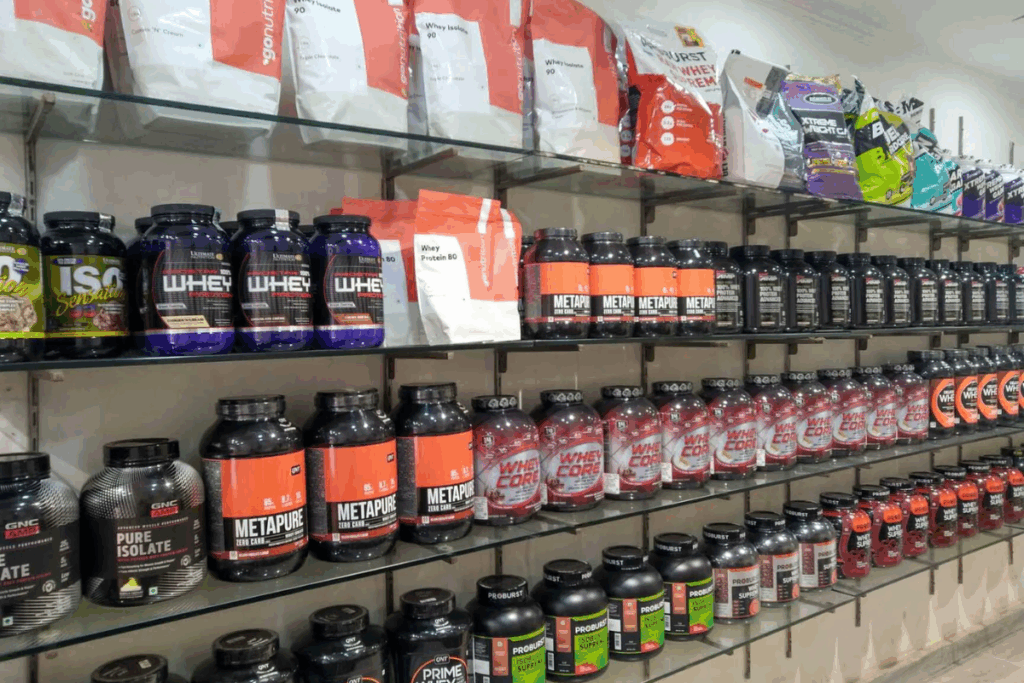
Growing health consciousness creates demand for specialized stores selling organic groceries, protein supplements, vitamins, health drinks, sugar-free products, and wellness items. Opening near gyms, health-conscious residential areas, or hospitals works well.
Differentiate by offering expert advice, genuine products, and educating customers about health and nutrition. Many successful stores also offer home delivery for regulars.
Setting up requires 4 to 6 lakh rupees. This covers shop rent, shelving and display, initial inventory, refrigeration for perishables, billing system, licenses, and marketing. Starting online-first reduces physical infrastructure costs.
Monthly revenue depends on location and customer base, typically 2 to 4 lakh rupees. Profit margins on health products are healthy at 25 to 40 percent. Building loyal customer base through knowledge sharing and genuine recommendations creates recurring revenue.
Growing market with increasing health awareness. Premium pricing acceptable for quality products. Loyal customers provide recurring business. Less competition than general grocery stores. Can offer additional services like diet consultations. Online expansion is natural extension.
Initial product knowledge and staying updated requires effort. Inventory management of products with varying shelf lives is critical. Genuine certification verification necessary to build trust. Competition from online platforms offering discounts. Customer education takes time. Some products need specific storage conditions.
Common Questions About Starting Businesses in Kerala
Which business actually makes the most money in Kerala right now?
Honestly, tourism businesses like homestays and houseboats are still among the most profitable, especially in popular destinations. But profitability depends heavily on how much you can invest, what skills you bring, and where you are. If you’re working with limited capital, digital marketing agencies and organic food delivery show excellent returns for the money invested. With more capital, Ayurvedic product manufacturing and specialized restaurants provide strong margins. The real key is choosing something that matches your interests and plays to Kerala’s unique strengths rather than just chasing whatever seems most profitable on paper.
Can I realistically start something with just 1 lakh rupees?
Yes, absolutely. Several businesses work with 1 lakh or less. Organic food delivery, digital marketing services, online education platforms, and running tuition classes from home all require minimal investment. You could also become an aggregator for handicrafts or start as a travel consultant for Kerala tourism. With limited capital, focus on service-based or online businesses that don’t need heavy infrastructure. The proven strategy is starting small, learning as you go, and reinvesting profits to grow rather than borrowing heavily from day one.
Is Kerala actually good for manufacturing or are costs too high?
Kerala works well for specific manufacturing, particularly food processing, spice products, coconut items, Ayurvedic products, and handicrafts. Infrastructure is good, the workforce is educated, and government offers support for manufacturing units. Labor costs are higher than some states, that’s true, and land prices can be steep. But manufacturing that leverages local raw materials and Kerala’s brand value in things like Ayurveda or spices tends to do well. Export-oriented manufacturing also benefits from good port connectivity. So it’s not about whether Kerala is good for all manufacturing, but whether your specific manufacturing idea plays to Kerala’s advantages.
What licenses will I actually need for a food business?
For any food business in Kerala, you need FSSAI registration or license depending on scale. Businesses under 12 lakh turnover need basic registration while larger ones require state or central license. You also need a trade license from your local municipal corporation or panchayat. If you’re manufacturing or processing, you’ll need factory license and pollution clearance. Restaurants need health department approval, fire safety certificate, and liquor license if serving alcohol. Honestly, it’s best to consult a local chartered accountant who can guide you through specific requirements for your business type rather than trying to figure it all out yourself.
How does tourism season work and when should I actually start?
Kerala’s peak tourism runs from October to March when weather is pleasant. December and January are busiest. Monsoon months from June to September see fewer tourists, though monsoon tourism is growing. If you’re planning a tourism business, start preparations at least 6 months before peak season. That means beginning setup around April to June so you’re ready for October. This gives you time for licenses, setting up infrastructure, creating marketing materials, and getting listed on online platforms. Starting during off-season also means lower setup costs and time to properly train any staff you hire.
What percentage of new businesses actually fail in Kerala?
Roughly 40 to 50 percent of new businesses face significant challenges in their first three years. Common reasons include not researching the market properly, not having enough capital, choosing wrong locations, inability to compete with established players, and not maintaining consistent quality. However, Kerala has advantages that improve success odds compared to many places – high literacy, better infrastructure, and strong local support for small businesses. Success depends heavily on proper planning, understanding your market, maintaining quality, and being mentally prepared for initial losses while you build reputation.
Can NRIs invest and run businesses from abroad?
Yes, NRIs definitely can and many do invest successfully in Kerala. The state government actively encourages this through schemes like NORKA Roots and Kerala Startup Mission. NRIs can invest under RBI’s automatic route in most sectors without prior approval. Popular NRI investments include real estate, hospitality ventures like resorts and homestays, plantation farming, Ayurvedic centers, and manufacturing. The main advantage NRIs bring is global exposure and connections combined with Kerala’s local strengths. But here’s the reality check – you need a trusted local partner or manager for day-to-day operations. Running a business remotely rarely works without reliable people on the ground.
Which district is genuinely best for business?
Ernakulam district with Kochi is generally considered best overall due to excellent connectivity, international airport, port, metro, and large urban population. It’s ideal for retail, restaurants, services, and businesses needing infrastructure. Thiruvananthapuram works well for IT services and government-related businesses. Kozhikode has strong commercial tradition and suits trading and wholesale. For tourism businesses though, districts like Alappuzha, Idukki, and Wayanad offer better opportunities. For agriculture and plantations, Idukki, Wayanad, and Palakkad are more suitable. The point is there’s no single best district – choose based on your specific business type rather than any general ranking.
How long does getting licenses actually take?
Getting basic registrations like GST, trade license, and shop establishment typically takes 2 to 4 weeks if your documents are ready. FSSAI license processing takes 30 to 60 days depending on type. Manufacturing licenses and factory registrations can take 2 to 3 months. Environmental clearances for certain businesses may take longer. My advice is start the licensing process early and don’t wait until everything else is ready. Using professional services like chartered accountants or business consultants speeds things up since they know exact requirements and procedures. Kerala government is working on single-window clearance which should reduce timelines going forward.
Is there genuine government support for startups?
Yes, Kerala provides substantial support through Kerala Startup Mission. They offer financial support through various schemes, incubation facilities across the state, mentorship programs, and networking with investors. Funding ranges from seed funding of 5 to 10 lakh rupees to larger amounts for promising ventures. Government also organizes startup events, provides workspace at subsidized rates, and has special schemes for women entrepreneurs and socially relevant startups. Additionally, various departments offer sector-specific support like organic farming subsidies, manufacturing incentives, and tourism grants. Checking the official Kerala Startup Mission website and visiting their offices in your district helps understand available options for your specific business.
What are the real challenges nobody talks about?
The main challenges include higher labor costs compared to neighboring states, strong labor unions in certain sectors, relatively expensive real estate, and sometimes slower bureaucratic processes. Seasonal nature of tourism affects related businesses significantly. Competition is intense in most sectors because of the educated entrepreneurial culture here. Finding skilled workers for certain specialized roles can be difficult despite high literacy. However, these challenges are balanced by advantages like educated workforce, good infrastructure, supportive policies, and strong consumer market. Success requires understanding these challenges upfront and planning for them rather than getting discouraged or surprised later.
Should I start here or try another state?
This depends entirely on your business type, personal situation, and where you have natural advantages. Kerala is excellent for businesses leveraging its tourism appeal, Ayurvedic heritage, educated workforce, and NRI connections. If your business benefits from Kerala’s unique positioning, definitely start here. However, if extremely low labor costs are critical, or you need very large land areas cheaply, other states might work better. Consider where you have local knowledge, family support, existing networks, and understanding of customer preferences. Starting where you have natural advantages, even if it seems less business-friendly on paper, often leads to better outcomes than starting somewhere unfamiliar just because of perceived benefits.
Final Thoughts
Kerala offers diverse opportunities catering to different investment levels, skills, and interests. The state’s unique advantages including high literacy, strong tourism, educated consumers, and government support create favorable conditions for entrepreneurs. Whether you choose tourism, agriculture, manufacturing, services, or retail, success ultimately depends on your dedication, market understanding, and consistently delivering value to customers.
I’ve shared these ideas based on real market potential and Kerala’s specific advantages. Each has its own investment requirements, challenges, and timeline. The key isn’t jumping at what seems most profitable but choosing something that genuinely interests you and matches your capabilities. Remember that behind every successful business in Kerala are entrepreneurs who started with thorough research, adequate capital, patience during initial struggles, and unwavering commitment to quality.
Starting a business anywhere requires courage and calculated risks. Kerala’s supportive ecosystem, coupled with your hard work and smart planning, can turn your dreams into reality. Take time to validate your chosen idea through market research, prepare a detailed business plan, arrange adequate capital including buffer for unexpected challenges, and then take the leap. Your success story might inspire the next generation of Kerala entrepreneurs.